A pothole, damaged sign, dark streetlight, or blocked route is easier to report when you can describe exactly where it is. Street names alone may leave a large area to search. Before submitting a request, identify the condition, the responsible location, and whether it needs immediate emergency attention or ordinary maintenance follow-up.
Start with urgency and jurisdiction
If there is immediate danger or an emergency, contact emergency services instead of waiting for an online maintenance request. The city’s service and problem-reporting page distinguishes routine city requests from police and emergency channels. Do not enter a roadway or approach a hazard to decide which category it belongs in.
Confirm that the issue is within the City of Los Angeles. A nearby freeway, another city’s street, or a private driveway may be handled by a different organization. If you are uncertain, describe the location accurately and ask for the correct referral rather than changing the address to make a form accept it.
Pinpoint the physical location
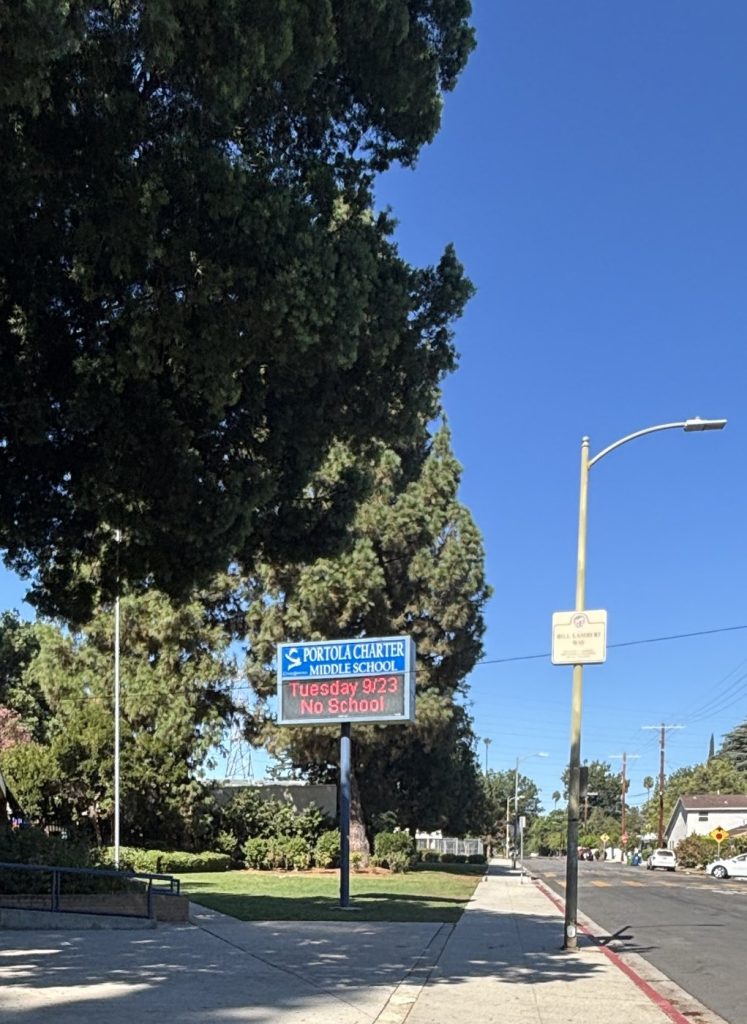
Record the nearest address or intersection, the side of the road, and the direction of travel if relevant. Include a fixed landmark such as a marked entrance or numbered pole when one is visible from a safe position. “Near the corner” is less helpful than identifying which corner and which part of it.
For a concern extending along a block, identify its beginning and end. Separate distinct issues when they require different services. A broken lamp and a damaged sidewalk may share a location while needing different work crews and descriptions.
Describe what you observed
Use plain, specific language. Explain whether a sign is missing, a surface is raised, or a light appears dark, and note when you observed it. Avoid guessing the cause, diagnosing equipment, or naming a person you think is responsible. The condition and location are the most useful starting facts.
Photographs can show context, but taking one is optional. Stand somewhere secure, keep clear of moving traffic, and avoid unnecessary personal details in the image. Do not move barriers, climb structures, or touch damaged equipment to make the report more complete.
Choose the channel for the actual issue
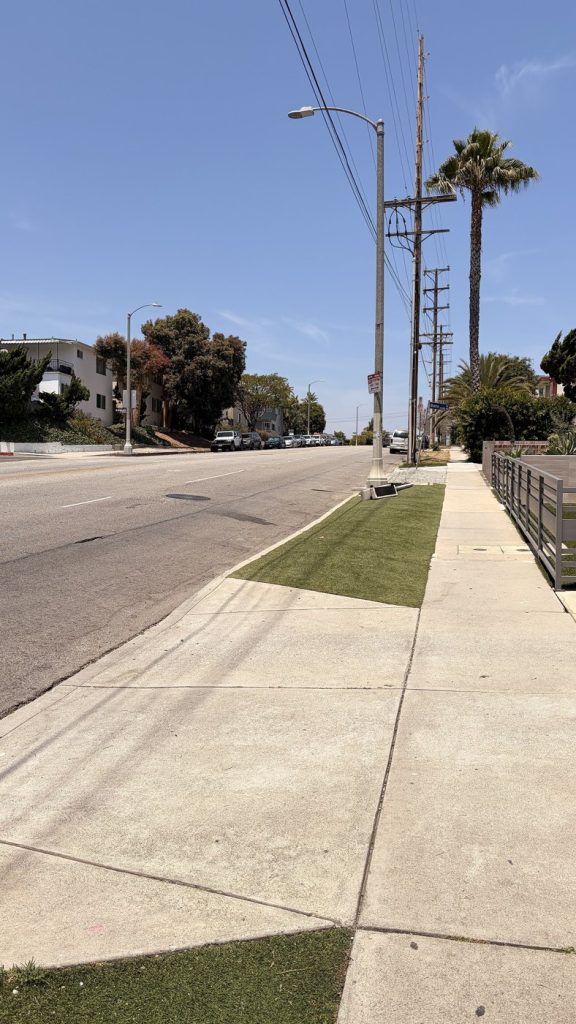
LADOT’s FAQ covers transportation-related questions and reporting routes, including traffic signals and street signs. Use those current instructions for the specific equipment involved. For many everyday city concerns, MyLA311 provides the service-request starting point.
Our MyLA311 guide explains how to select a service and retain a confirmation. If the problem concerns a Metro vehicle or station rather than a city street, use Metro’s own reporting resources so the issue reaches the operator responsible for that space.
Follow up with the original details
Save the request number, date, description, and any response. If the condition changes, update the appropriate channel with the new observation. A response saying a request is closed may need to be read alongside the explanation; it does not always describe the outcome you expected.
For a recurring walking concern, choose a workable alternate route while the request is considered. Our LA walking guide offers route-planning checks. Reporting creates a useful record, but it does not make a damaged location immediately usable. Keep your follow-up factual, specific, and tied to the same place.