Earthquake preparation is easier to maintain when it becomes a set of small household tasks. You do not have to solve every possible problem in one weekend. Begin with the space you live in, the people who depend on you, and the information you would need if an ordinary routine were interrupted.
Look at the room before buying supplies
Walk through your home and identify items that could fall or block a route. Pay attention to heavy objects stored high, furniture near sleeping areas, and the path to an exit. Discuss appropriate fastening or building work with your landlord or a qualified professional where needed rather than making an improvised structural change.
The Earthquake Country Alliance’s Seven Steps begins with securing your space and organizing a plan. Use the linked specialist guidance for the actual methods. A useful first session can be as simple as moving an unsecured heavy object to a more suitable storage location and keeping an exit clear.
Write down how the household will reconnect
Agree on meeting locations and an out-of-area contact. Include the people who may be at work, school, or another household when shaking occurs. Think through who would check on a neighbor, collect a dependent, or care for a pet if the usual person could not get home promptly.
Los Angeles Emergency Management’s earthquake guide explains household planning, communication, and supplies. Keep a short printed copy of essential contacts as well as a digital version. A plan stored only on one phone is harder to use if that device is unavailable.
Build supplies around real household needs
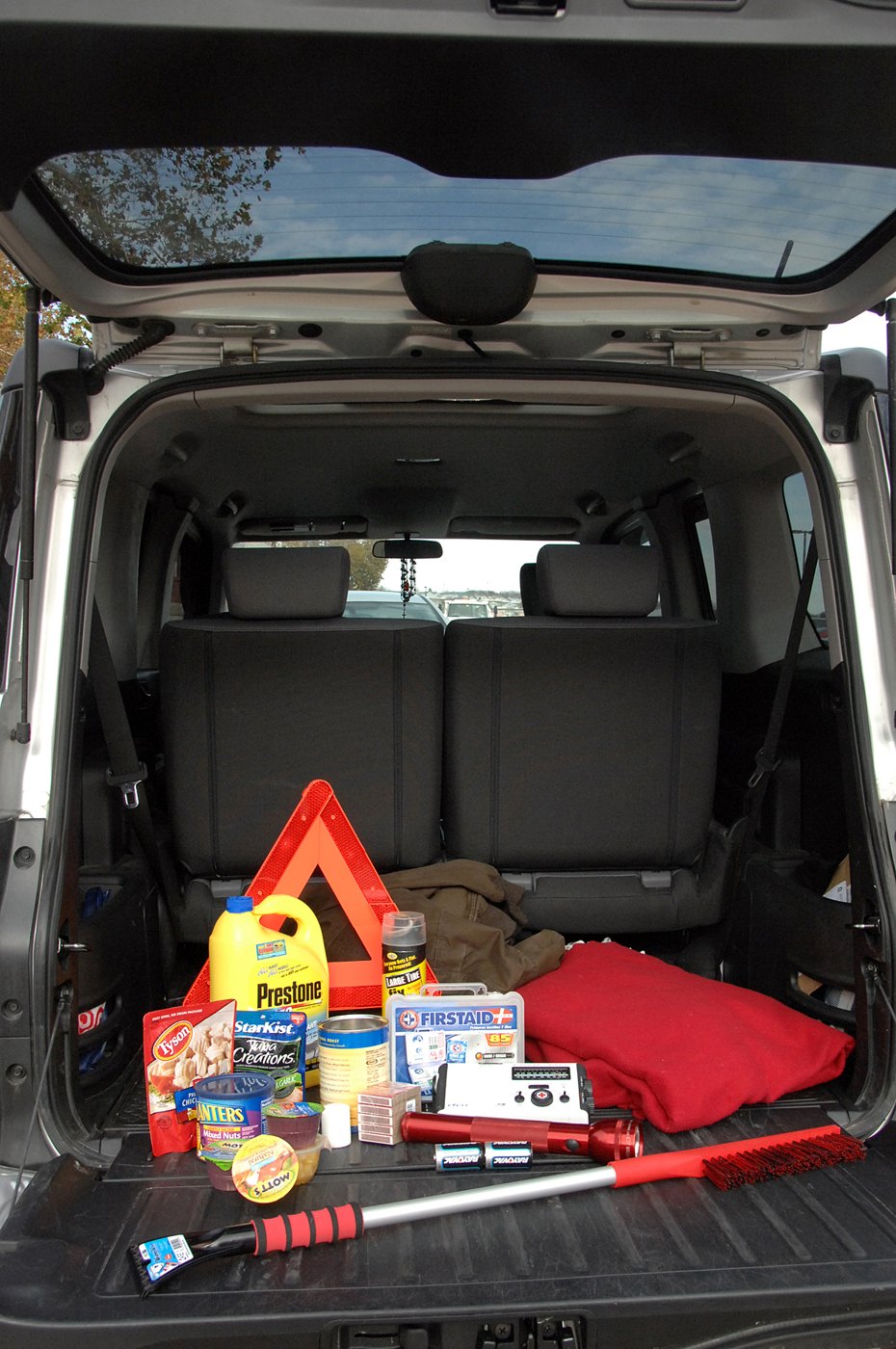
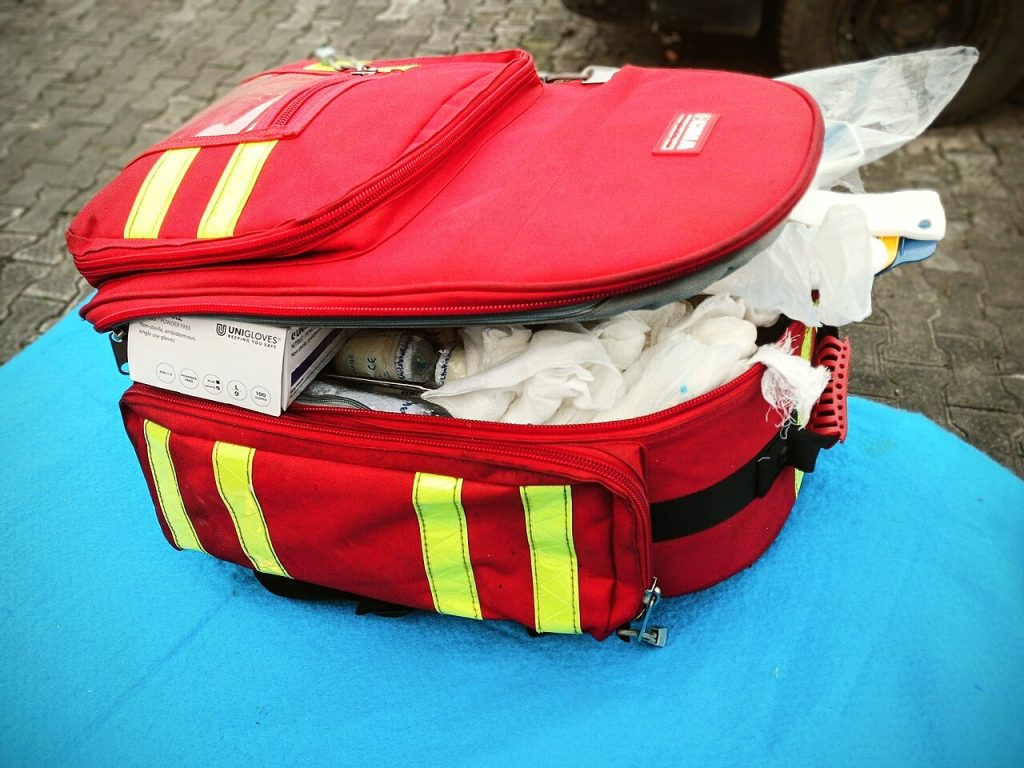
Use the city’s linked readiness resources to make your supply list. Consider food, water, lighting, first-aid supplies, charging needs, and the practical requirements of children, older adults, pets, and people with disabilities. Follow professional guidance for medication or medical equipment planning rather than guessing.
Store supplies where you can reach them and where everyone knows to look. Label the containers and choose a review date for items that expire or need charging. Keep the kit manageable enough to inspect; a large unopened box is not useful if nobody remembers what it contains.

Learn the recommended protective action
The city’s earthquake guidance recommends practicing Drop, Cover, and Hold On and links to advice for different settings and access needs. Read the guidance for the places where you spend time rather than assuming one room layout describes every situation. Discuss it with household members in language and formats they can use.
Practice calmly. Identify an appropriate protective location, check that you can reach it, and talk through what would happen afterward. The exercise should reveal practical obstacles, such as a cluttered route or supplies someone cannot carry, while there is still time to fix them.
Connect alerts with a broader plan
Review NotifyLA for City of Los Angeles emergency notifications and the earthquake guide’s links to earthquake-alert resources. Alerts are one source of information, not a guarantee of warning before every event. Keep your plan usable even if communication is interrupted.
For new residents, our neighborhood setup checklist helps identify nearby resources and building contacts. Our road-condition planning guide explains official travel information when routes are disrupted. Revisit the household plan after a move, a change in care responsibilities, or a practice session. Preparedness works best when it reflects the way you actually live.