Walking is one of the best ways to notice the small places that make a neighborhood interesting. It also reveals details a driving map can miss: a missing curb ramp, a long crossing, or a driveway that interrupts the sidewalk. A comfortable LA walk begins by choosing a route that works for the people taking it.
Look closely at the crossings
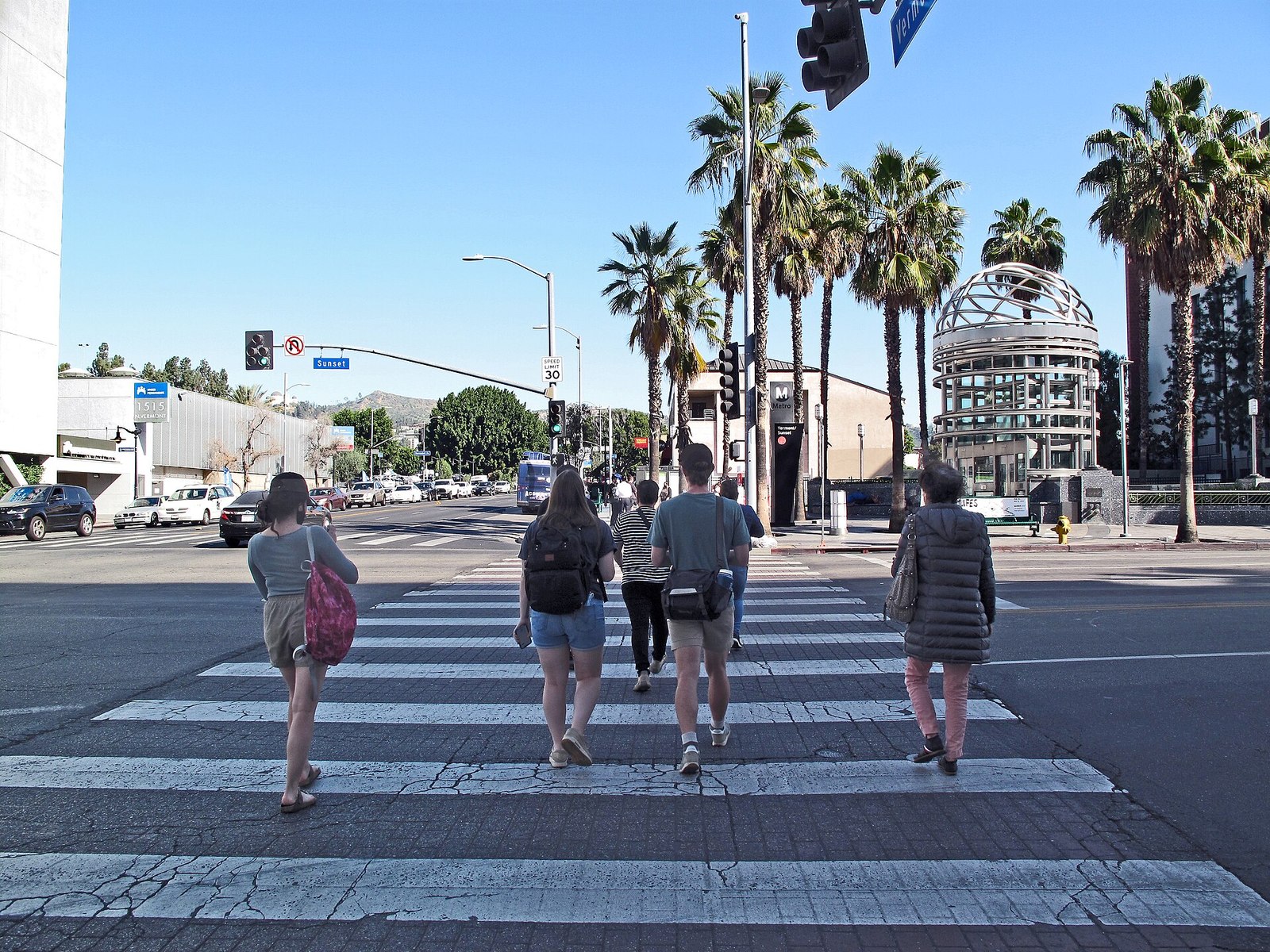
Before setting out, identify the major roads between your starting point and destination. Look for crossings you can use without improvising. A small detour to a clearer intersection may make more sense than following the shortest line on a map, especially with children, a stroller, or a mobility device.
NHTSA’s pedestrian guidance emphasizes sidewalks, suitable crossing locations, and watching for vehicles at driveways and parking areas. Treat each crossing as a separate decision. A walk signal does not remove the need to look for turning traffic or a driver who has not stopped.
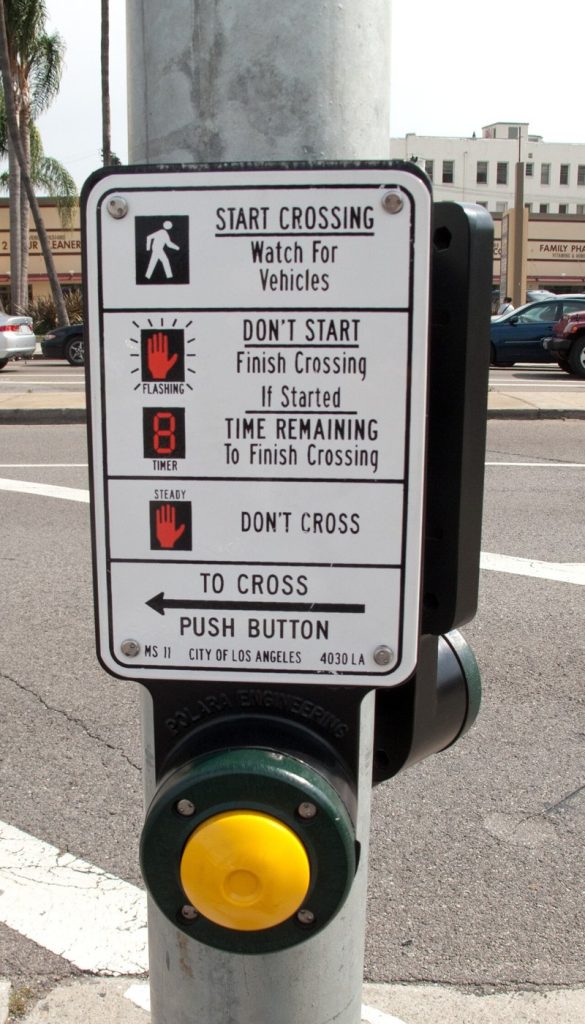
Leave time to cross without rushing
Do not build an itinerary that depends on catching every signal immediately. Plan enough time to wait for a new crossing phase when needed. If your group walks at different speeds, agree on a pace and regroup before reaching the next intersection rather than spreading across several corners.
NHTSA’s walking guidance for older adults highlights turning vehicles and the importance of checking traffic even with a walk indication. Its practical message applies to many group outings: give the crossing your attention and choose a comfortable pace.
Plan around access and rest
Look for continuous sidewalks, manageable grades, and places to stop. A short distance can still be demanding if there is no shade or seating. When visiting a large venue, confirm which entrance is accessible and whether it faces the street you plan to approach from.
For warm conditions, use our hot-weather outing guide to organize a shorter route and an indoor break. Do not assume a park gate, building lobby, or restroom will be open simply because it appears on a map.
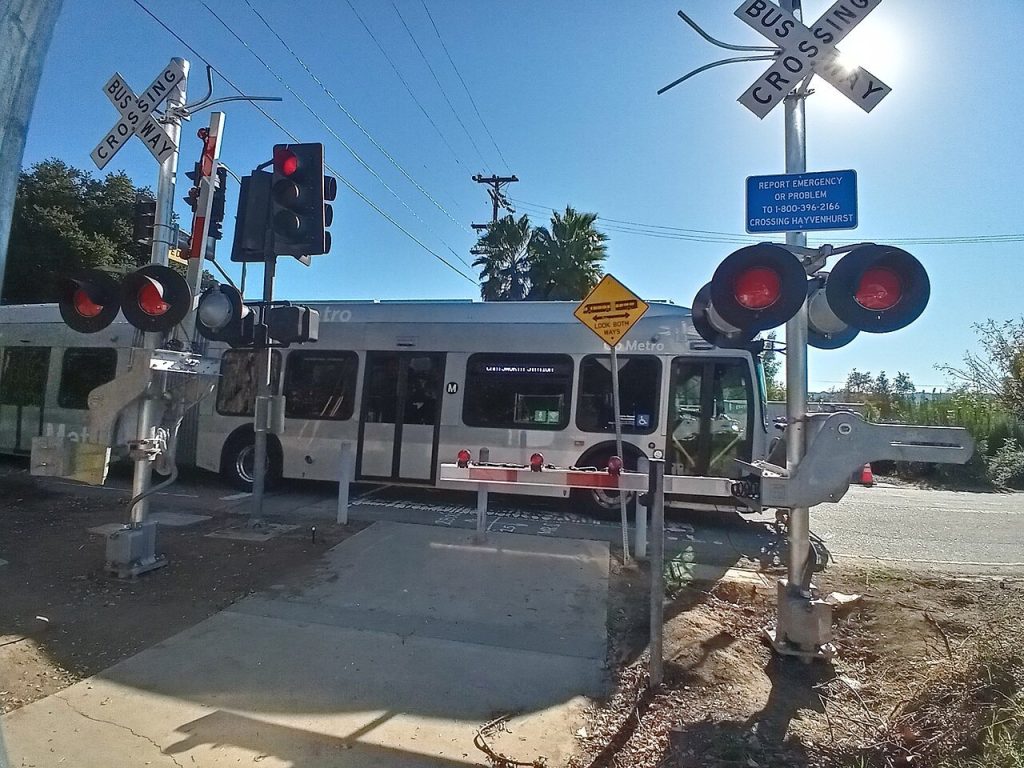
Pay attention at driveways and parking areas
A sidewalk can cross the path of a turning or reversing vehicle. Keep the route in view, put away distracting tasks before crossing, and avoid walking behind a vehicle that is beginning to move. Where parked cars obstruct the view, slow down and look for a clearer crossing point.
Drivers also have a role in creating a workable walking environment. If your group switches to driving for part of the outing, take extra care at turns, driveways, and parking exits. A pedestrian’s preparation does not excuse careless driving or replace better street design.
Record a recurring concern from a safe place
If a missing sign, damaged surface, or other street condition repeatedly affects your route, note the exact location. LADOT’s pedestrian-safety information explains the role of community reports in identifying concerns. Describe the specific condition instead of labeling an entire neighborhood unsafe.
Our street reporting guide helps you prepare a location and useful description. Meanwhile, choose another route if the conditions do not work for you. A good neighborhood walk should leave room to explore, pause, and change direction without feeling committed to an unsuitable path.