An appealing bike path is only one part of a ride. Getting onto it, crossing a busy road, finding water, and returning before you are tired all shape the experience. Start with the type of outing you want: a gentle spin, an errand, or a longer exercise ride. Then choose a route that matches the least confident person in your group.
Read the map’s different line types
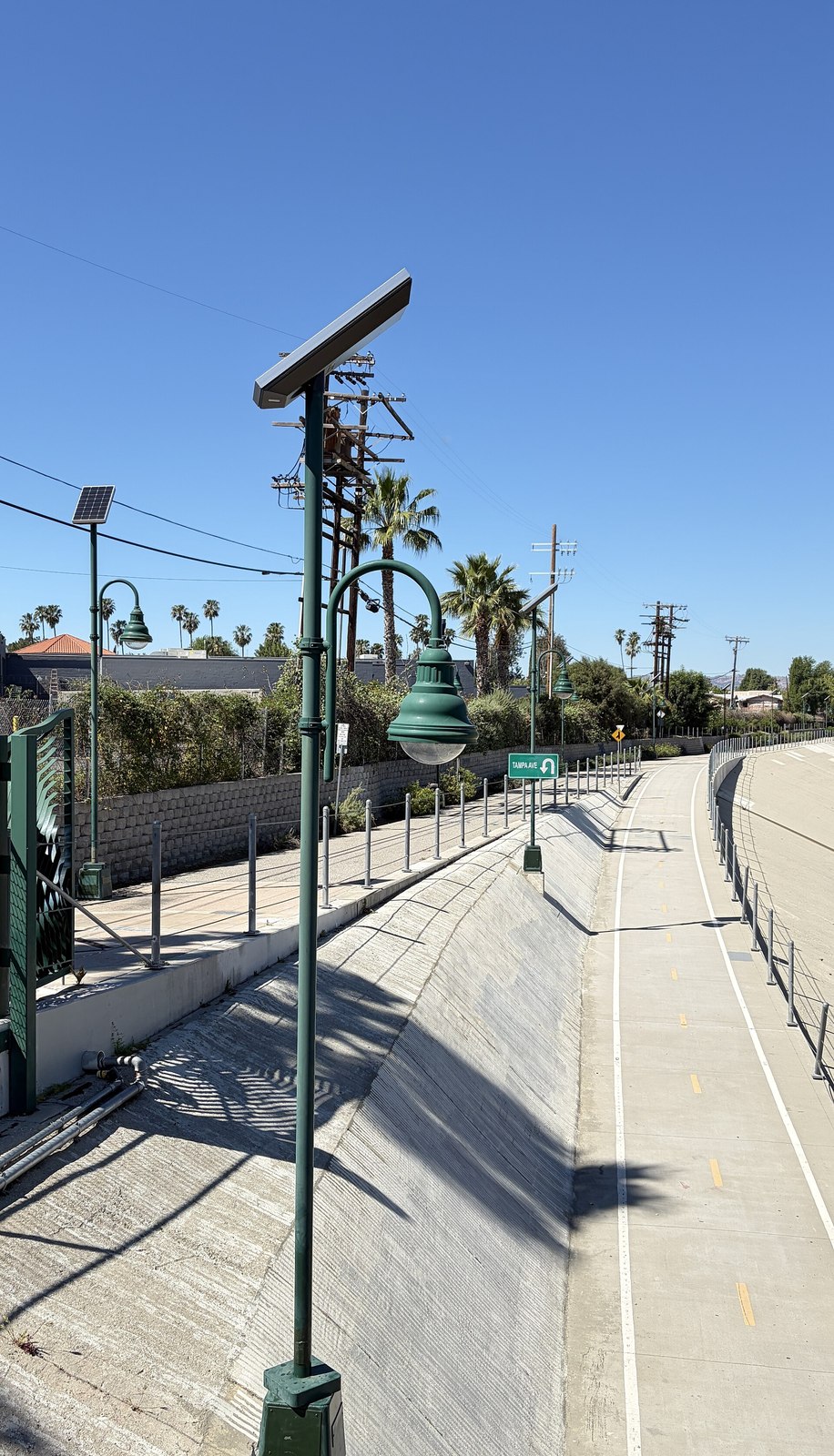
A bike route, painted lane, separated lane, and off-street path are not interchangeable experiences. Use the bike resources linked by Metro’s biking guide and read the map legend before tracing a route. A continuous colored line does not necessarily mean continuous separation from traffic.
LADOT’s bicycling information offers local context for the city’s cycling network. Use mapping as a planning tool, then check the physical conditions you encounter. Construction, debris, parked vehicles, and temporary closures can change how a segment feels on the day.
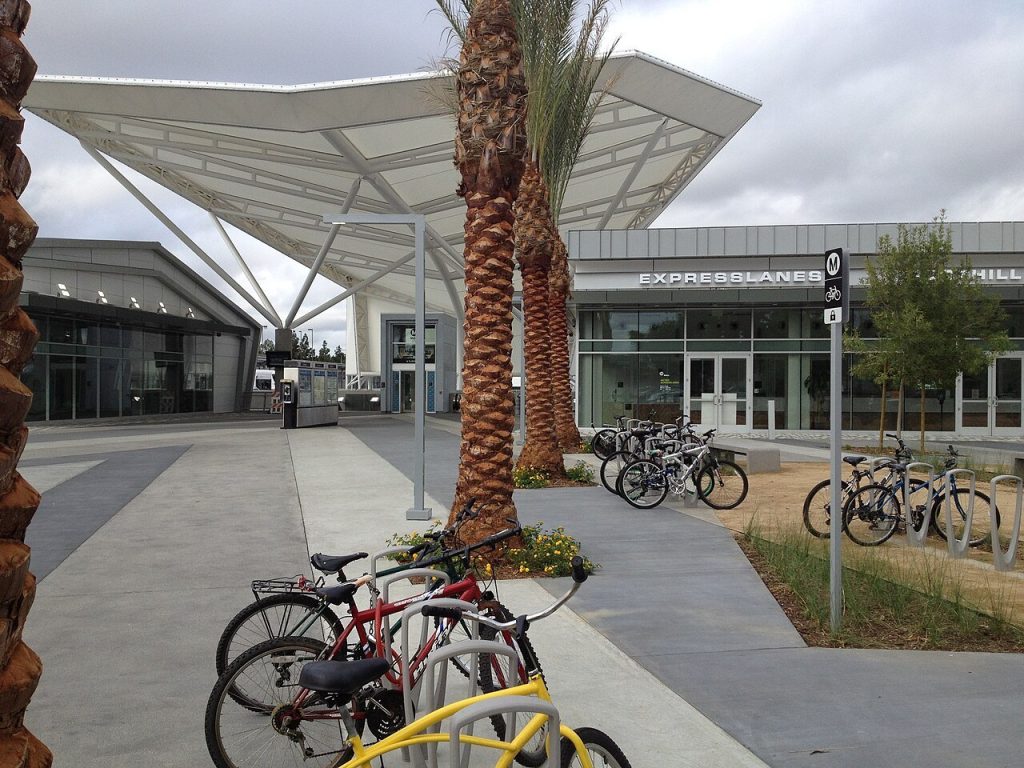
Inspect the connections rather than only the destination
Look closely at the first and last blocks, major intersections, and any point where a path ends. Ask where you will cross, whether there is a usable entrance, and whether everyone can comfortably negotiate the transition. A short route with a difficult access road may be less suitable than a slightly longer outing with simpler connections.
For your first visit, an out-and-back route can be easier to manage than a complicated loop. You see the return conditions on the way out and can turn around when needed. Pick a clear turnaround landmark so the group does not keep extending the ride by another block.
Choose a realistic distance
Plan around time as well as mileage. Traffic signals, shared-path users, rest stops, and getting organized at the start all affect the outing. Leave room for slower riding near people walking and for breaks that are genuinely restful rather than a quick stop beside a busy junction.
Check the forecast for the exact area and time. A coastal start and an inland finish can feel very different. Use our hot-weather planning guide to organize shade, water, and a shorter alternative before a warm day.
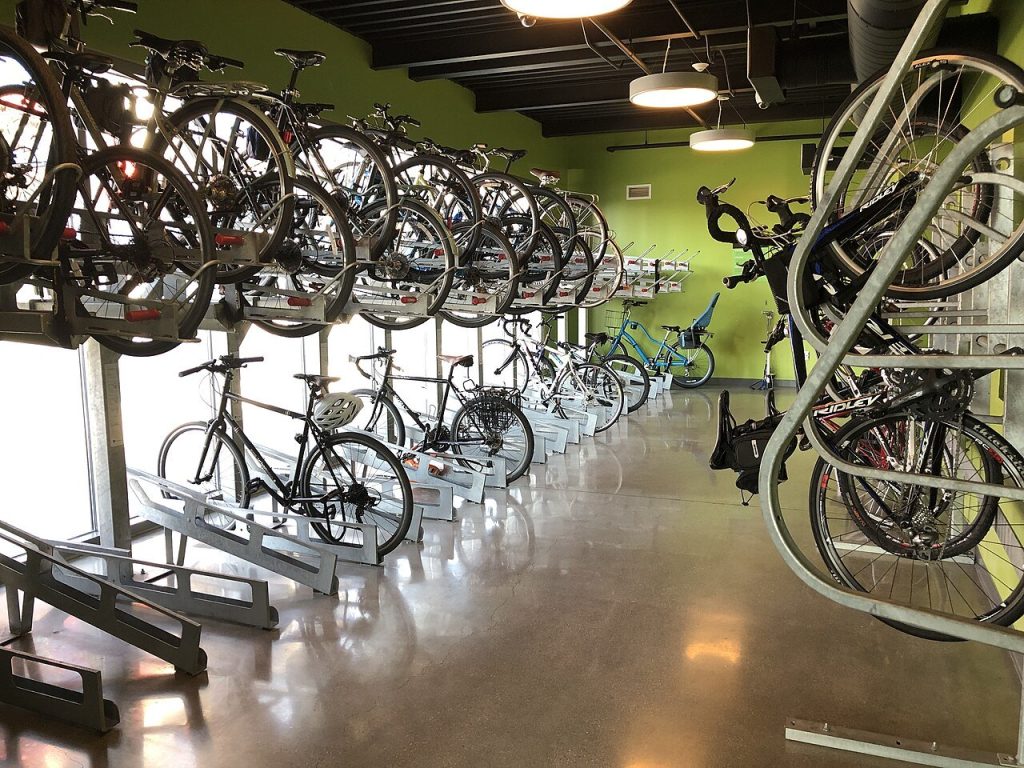
Know how a transit connection will work
Metro’s biking page explains carrying bicycles on its services. Read those instructions before relying on transit for the return leg, especially if you have an unusual bicycle, a large group, or other equipment. Do not assume every vehicle has unlimited room for bikes.
A useful backup identifies a specific stop or station and the walking route to it. If you are unfamiliar with the system, review our Metro first-ride checklist. Keep enough energy and time in reserve to reach that backup rather than waiting until you are already exhausted.
Make a quick pre-ride check
Before setting off, check your tires, brakes, chain, and lights, and make sure your helmet fits. Carry water, a charged phone, identification, and the tools or assistance plan appropriate to your ride. Secure loose straps and avoid loading the handlebars in a way that affects steering.
Agree on how the group will regroup after crossings and what to do if someone wants to turn back. Let the route support the outing instead of turning the map into a target you must complete. A comfortable first ride gives you a better basis for a longer one than pushing through a route that never suited your group.