A parking space can look available and still be unsuitable for your visit. In Los Angeles, the important details may be on several signs, at a nearby curb, or on a temporary notice. Take a minute to inspect the block before paying or walking away. That small pause is easier than trying to understand the rules after your plans have been interrupted.
Read the whole sign stack
Start with the exact location of your car and the arrows on the signs. Work through every posted restriction rather than stopping when you find one that seems favorable. A time limit, street-cleaning restriction, permit condition, and loading rule may affect the same area at different times.
LADOT Parking’s operations guidance notes that signs may be in front of or behind a space. Check both directions, especially on a long block. Look for temporary postings as well as permanent signs, and read the conditions for the entire time you expect to remain.
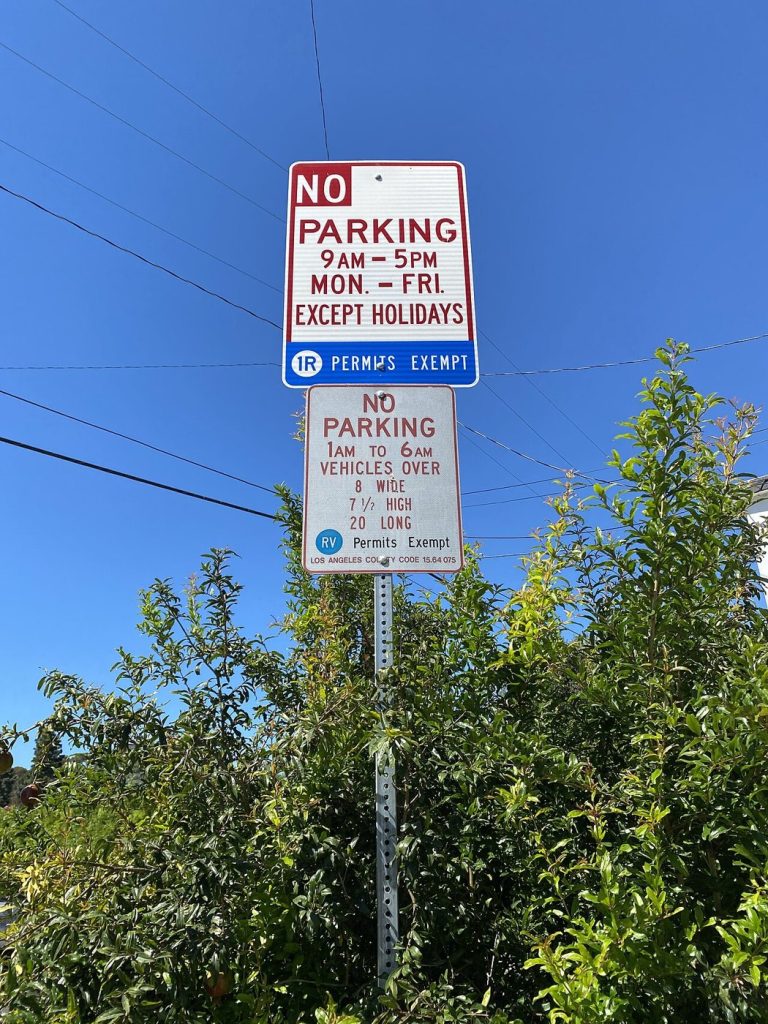
Check the curb as well as the pole
Colored curbs communicate different restrictions. Review LADOT’s official curb-zone guide rather than relying on a rule remembered from another city. The guide distinguishes the colors and explains that posted signs can change the applicable conditions.
Keep driveways, access points, and spaces needed by other users in mind. A vehicle already parked nearby is not evidence that your space is lawful. If the markings and signs are unclear, choose a different space or use an official parking facility rather than guessing.
Separate meter payment from permission to park
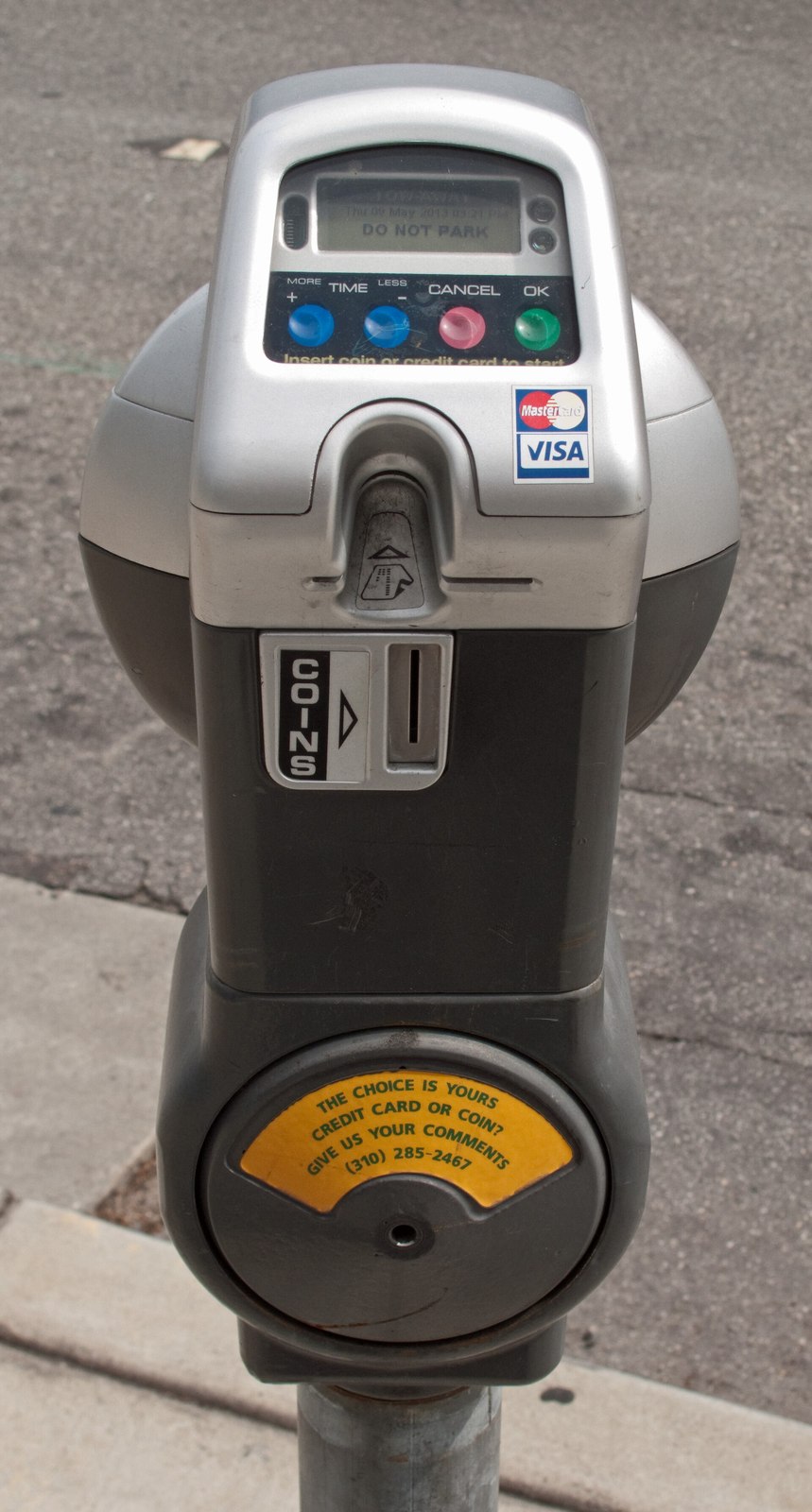
A working meter does not cancel the other restrictions on a block. Before paying, confirm that the space is available to you now and throughout the visit. Then check the meter’s instructions, time limit, accepted payment methods, and any information identifying the space or zone.
If you pay by phone, verify the location carefully and save the confirmation. Avoid scanning an unfamiliar sticker without checking that it belongs to the legitimate parking system. Set a reminder that leaves time to return to the car; the end of your appointment is not necessarily the time you reach the space.
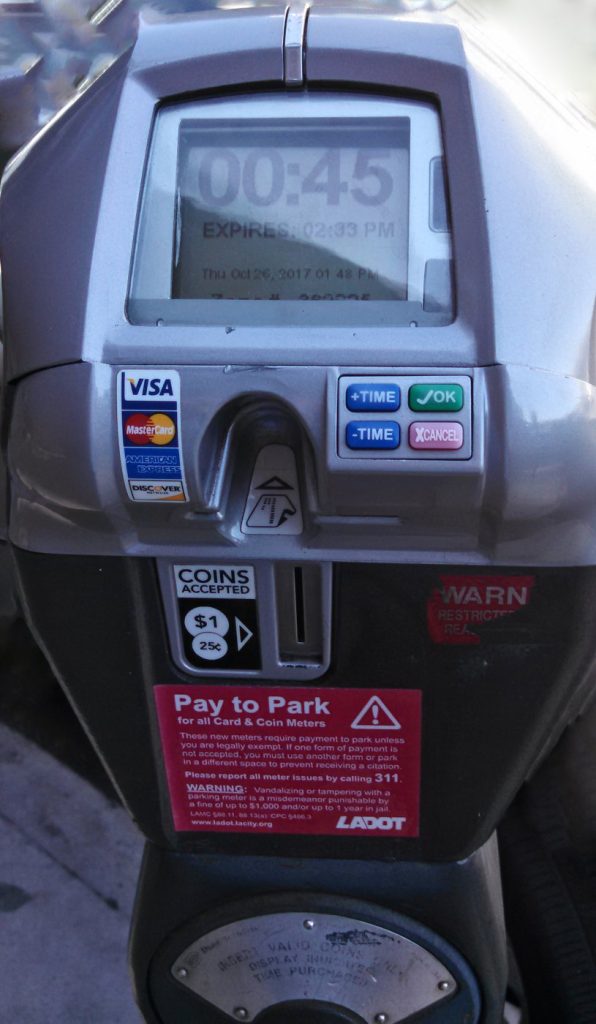
Think about the time you will leave
A midday errand can run into a later restriction. Dinner can last longer than expected. Read the signs with both your arrival and departure in mind, and allow for walking between the vehicle and your destination. Taking a photo of the signs can help you refer to the details while making your plan, but it does not change the rules.
If someone in your party needs a shorter walk, research the destination’s accessible parking arrangements before arrival. Do not build the plan around finding a particular curbside space open at the last moment.
Have a second option before you circle
Use LADOT Parking’s official resources to investigate public parking options. Compare the total visit cost and closing arrangements with the convenience of the walk. A lot that works for lunch may be unsuitable if you expect to return late.
For some outings, transit or a ride-app trip will be simpler than moving the car between neighborhoods. See our Metro first-ride guide and rideshare pickup checklist when comparing alternatives. Choose the option that supports your day without requiring repeated clock checks or a rushed return across busy streets.