
Your first LA Metro trip is easier when it has one clear purpose. Choose a museum visit, lunch, or an errand with a flexible arrival time. You can learn the route without also trying to meet a tight appointment. The important question is not simply whether a station is nearby. It is whether the entire journey, including the walk at both ends, fits your day.
Start with the exact destination
Enter the venue address, travel date, and intended arrival time into the tools linked from Metro’s rider guide. Compare the full journey rather than only the train portion. A route with fewer transfers may be more comfortable even when a trip planner estimates that another option is several minutes faster.
Write down the line name, boarding stop, direction, transfer point, and final stop. Save a screenshot that includes the street-level walk. Large destinations can have several entrances, and arriving at the wrong side of a building can add an unexpected detour.
Prepare your payment before boarding
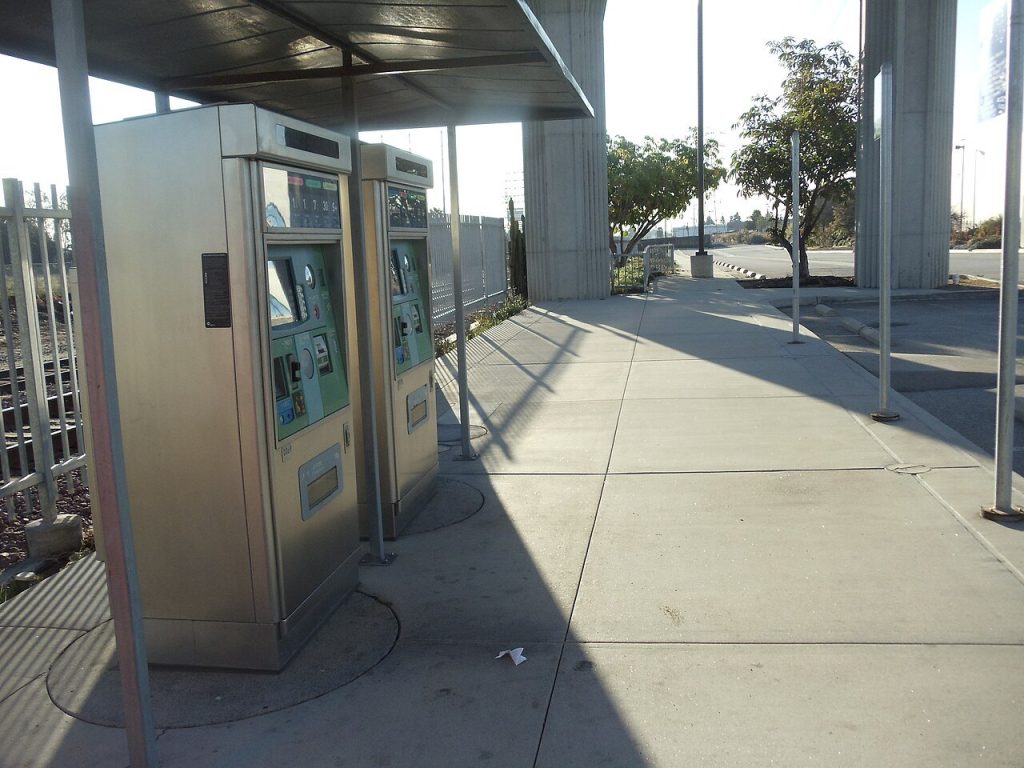
Check Metro’s payment instructions before leaving. The agency explains TAP and other accepted payment options, transfers, and fare capping. Use the current page to choose a method that works for your trip; a screenshot of an old fare table is not a reliable substitute.
Keep your payment method easy to reach. If you use a phone, charge it and avoid relying on your last few percent of battery for both navigation and payment. Families should check the rules for each rider instead of assuming one payment automatically covers the group.
Read the direction before you board
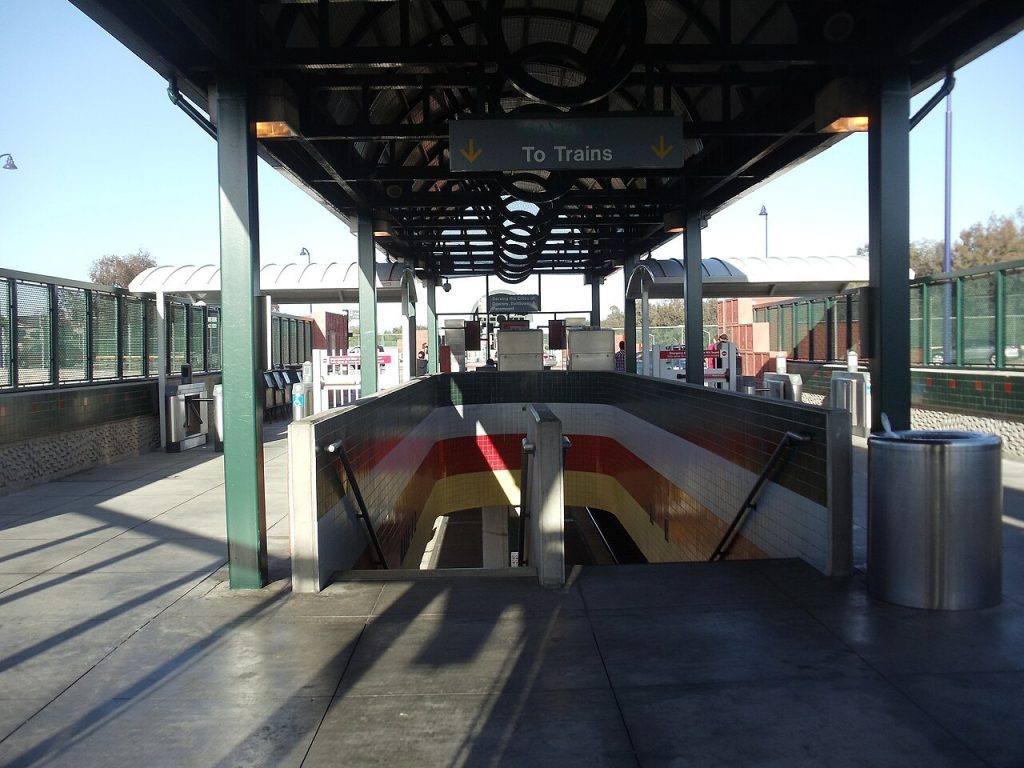
At the stop or platform, compare the posted direction with your saved route. Two vehicles with the same line name can be going opposite ways. Give yourself enough time to read signs without standing in a doorway or blocking the flow of people leaving a train.
Once aboard, put away anything you do not need and track the next few stops. Set a quiet reminder if you are worried about missing your stop. A little preparation makes it easier to enjoy the ride instead of watching the map every second.
Plan for access and changing service
If your journey depends on a lift, review Metro’s accessibility guidance and current service notices. Consider the complete route with your luggage, stroller, or mobility device in mind. A convenient station on a map may require a different entrance for step-free access.
Have one alternate route saved. It might be a bus connection, another station, or a different departure time. The goal is a workable backup, not a list of every possible route across the county.
Make the return trip a separate plan
Check the journey home using the time you actually expect to leave. Evening frequency, transfers, and your final walk may differ from the outward trip. For a show or dinner, our night-out transport checklist helps you work backward from the end of the evening.
For an airport connection, use the more specific LAX without driving guide. Airport luggage and terminal transfers need more breathing room than an ordinary neighborhood errand. After your first successful trip, save the route and change only one element next time. Familiarity grows quickly when you build on a journey you already understand.