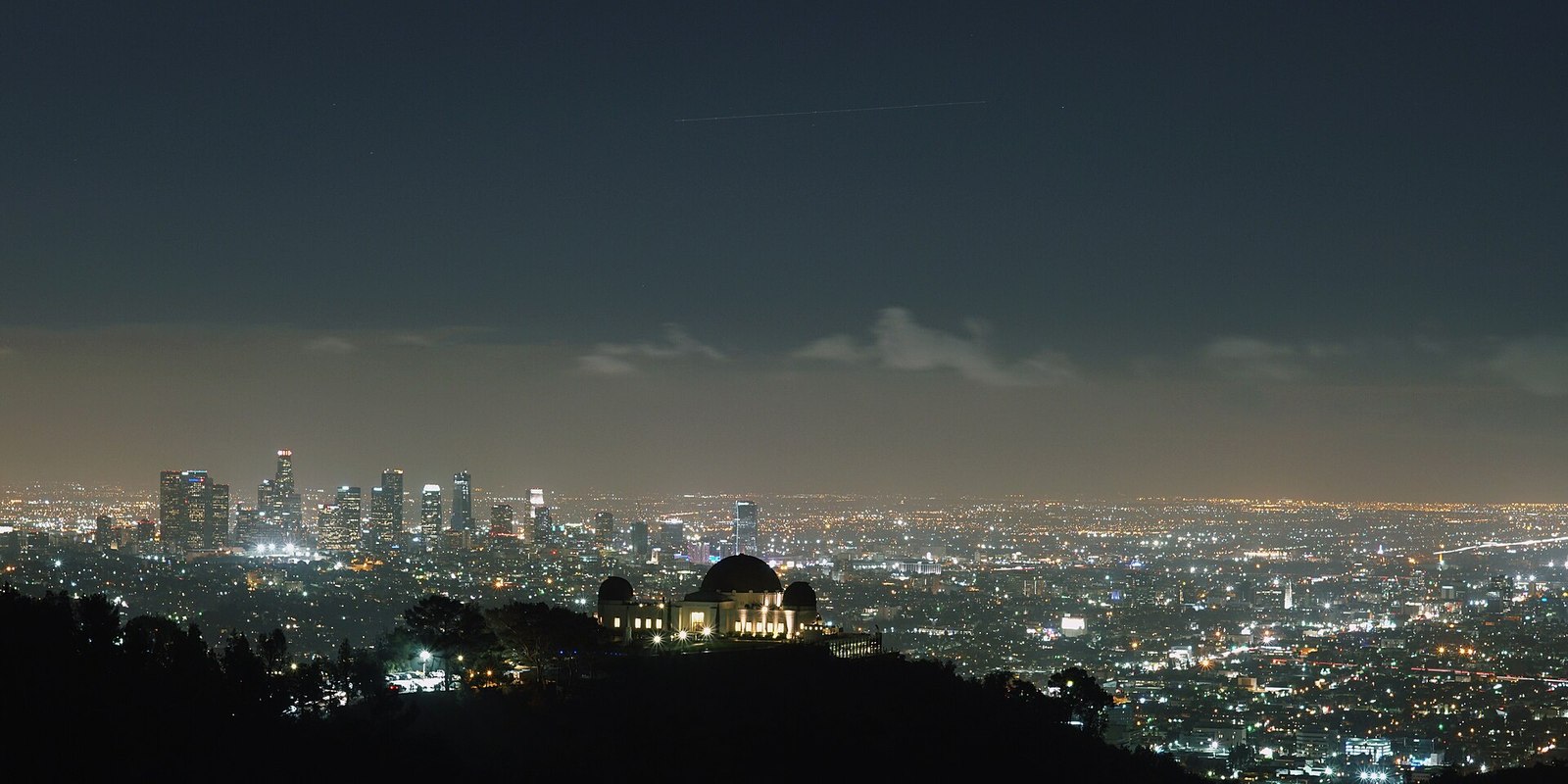
An evening at Griffith Observatory can include city views, indoor exhibits, and a look at the sky, but these experiences do not all happen on the same timetable. Sunset is a brief moment. Exhibits have opening hours. Telescope observing depends on conditions and availability.
Build the visit around the part that matters most to you, then leave the rest flexible. That makes the evening worthwhile even if cloud cover, queues, or traffic change the original plan.
Decide whether sunset is the priority
The Observatory’s visitor page provides current opening information and notes that sunset is a busy period. If the view is your main reason for coming, plan to arrive with time to orient yourself before the light changes. Do not count on finding parking and a perfect viewpoint at the last minute.
If the exhibits or night sky matter more, you can organize the evening differently. Choose a visit window that fits the building’s actual hours and your return journey. Avoid assuming that being outdoors near the building guarantees access to every indoor experience.
Treat telescope observing as conditional
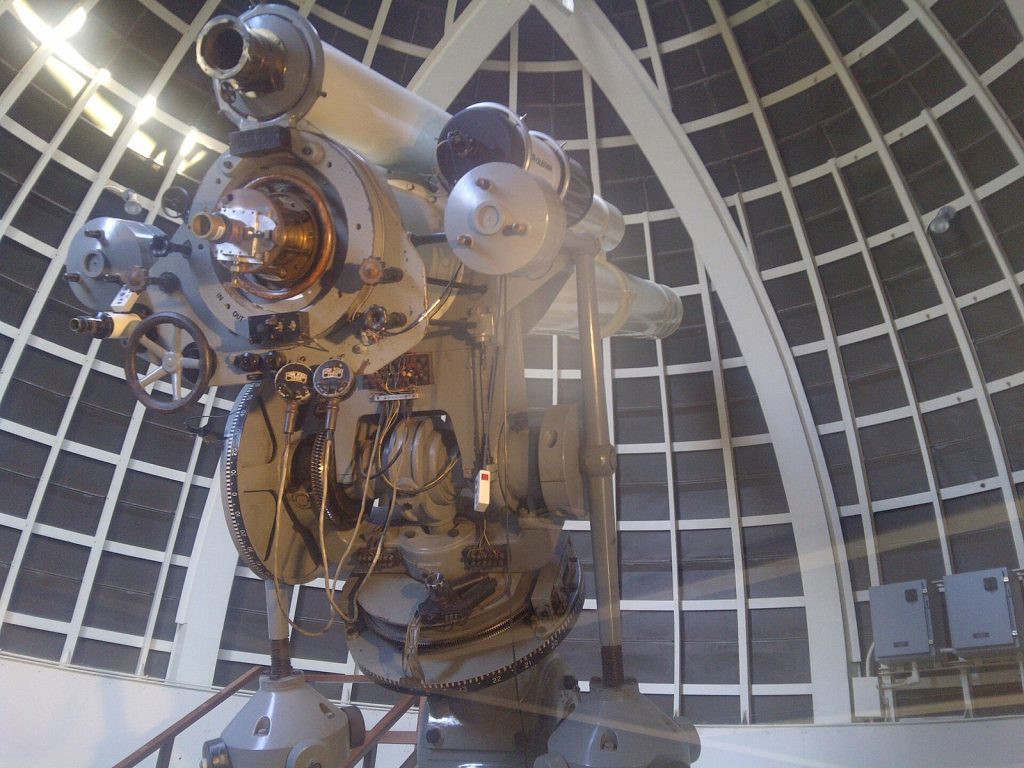
The Observatory’s public telescope information explains that viewing depends on the building being open and the sky being clear. Staff choose appropriate observing targets and help visitors use the equipment. A particular planet or object is not guaranteed simply because it appears in a photograph online.
Check the program and follow the instructions of telescope staff on arrival. If a queue is long, decide how it fits your remaining time instead of committing the whole evening automatically. Keep a worthwhile alternative, such as exhibits or the city panorama, in mind.
Separate the planetarium from the outdoor sky
A planetarium presentation is a scheduled indoor show, while telescope observing is a view through an instrument under current sky conditions. They can complement each other, but one does not substitute for checking the requirements of the other.
If you want a show, review its ticketing, age guidance, and admission rules before planning the rest of the visit around it. Leave a buffer between timed commitments and any queue you cannot control.
Choose a return route before dark
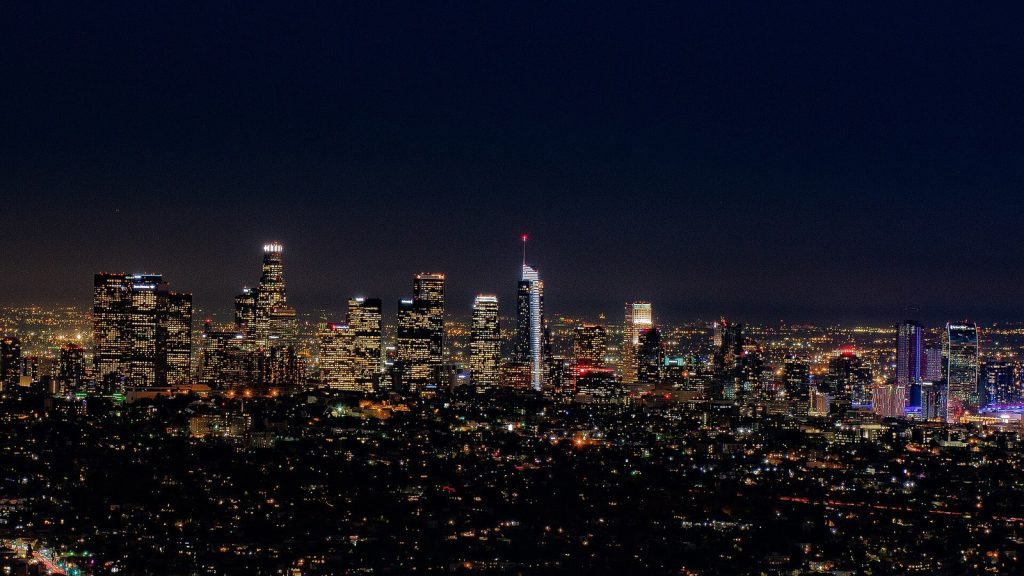
Look up the current transport options and service hours before leaving home. If taking transit, identify the return stop and save the relevant information. If driving, remember the walk back to your actual parking location, especially if it is farther from the building than expected.
Keep an evening Observatory visit separate from an improvised after-dark hike. Park trails have their own access rules, and a tempting path is not automatically a permitted route home. Use established visitor paths and follow posted directions.
Pack for standing, waiting, and walking
A layer, comfortable shoes, drinking water, and a charged phone cover much of what a simple visit needs. Keep your hands free enough to manage steps and belongings. Avoid carrying more equipment than you will use, and check the Observatory’s guidelines for photography and other activities.
With children, keep the visit short enough that the trip back remains manageable; our family Observatory guide offers a gentler structure. If the evening is part of a broader cultural plan, use our museum-day planning guide to avoid stacking too many timed attractions into one day.