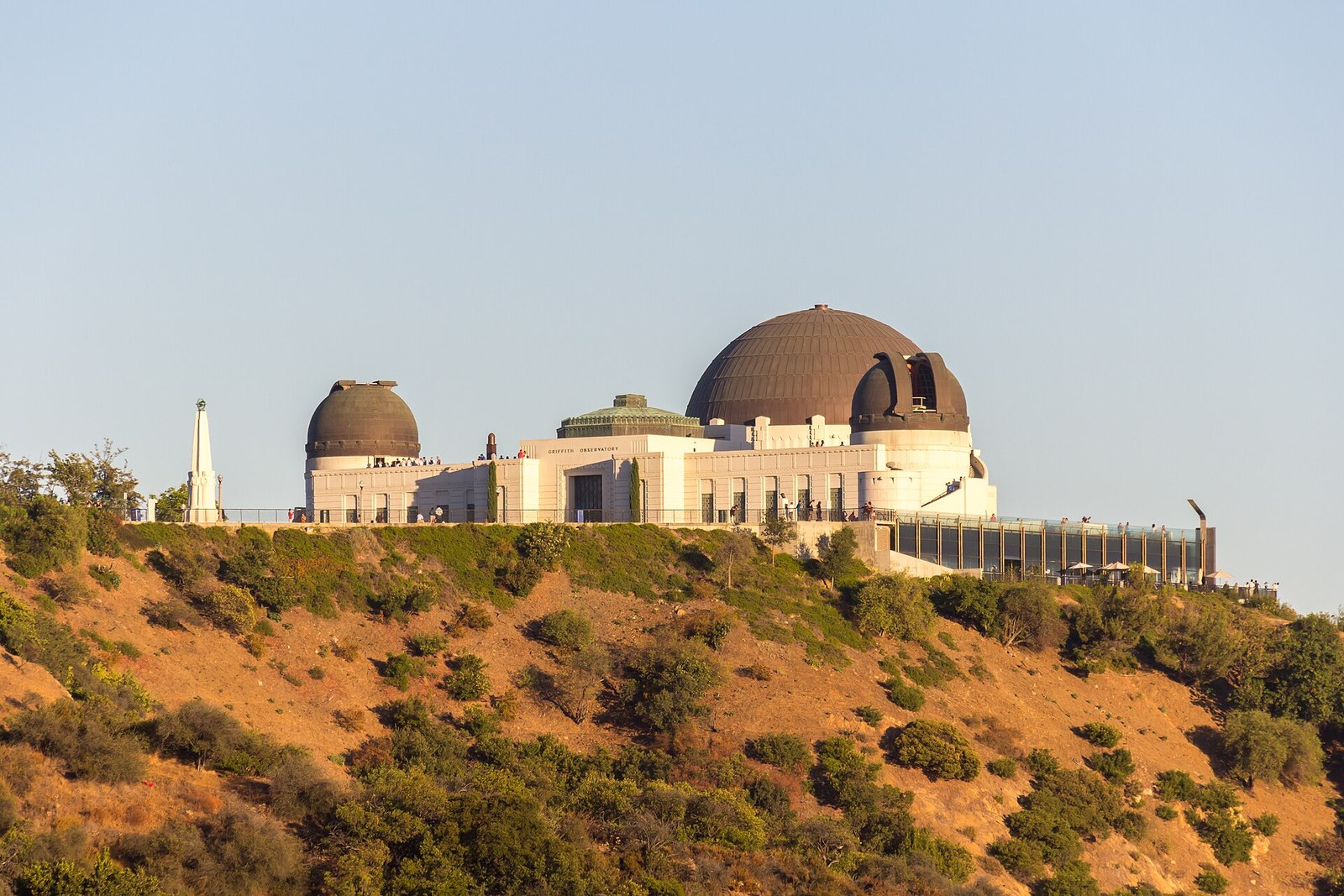
Griffith Observatory works best with children when the visit has a simple shape. Choose a few things to explore, give the city view its own moment, and leave room for questions. You do not need to see every display or stay until bedtime to make the trip worthwhile.
Before discussing planets and telescopes, decide how your family will get up the hill and back down. Arrival stress can use up the attention you hoped to spend inside.
Choose an indoor visit, a view, or both
The Observatory’s official visitor guide separates its exhibits, telescopes, planetarium experiences, and grounds. Admission to the building and grounds is free, while planetarium shows have their own ticketing arrangements. Check current opening information before promising a particular experience.
With younger children, begin with one question they already care about. What makes day and night? Why does the Moon look different? What can a telescope show? Use that question to choose a few displays instead of reading every panel in order.
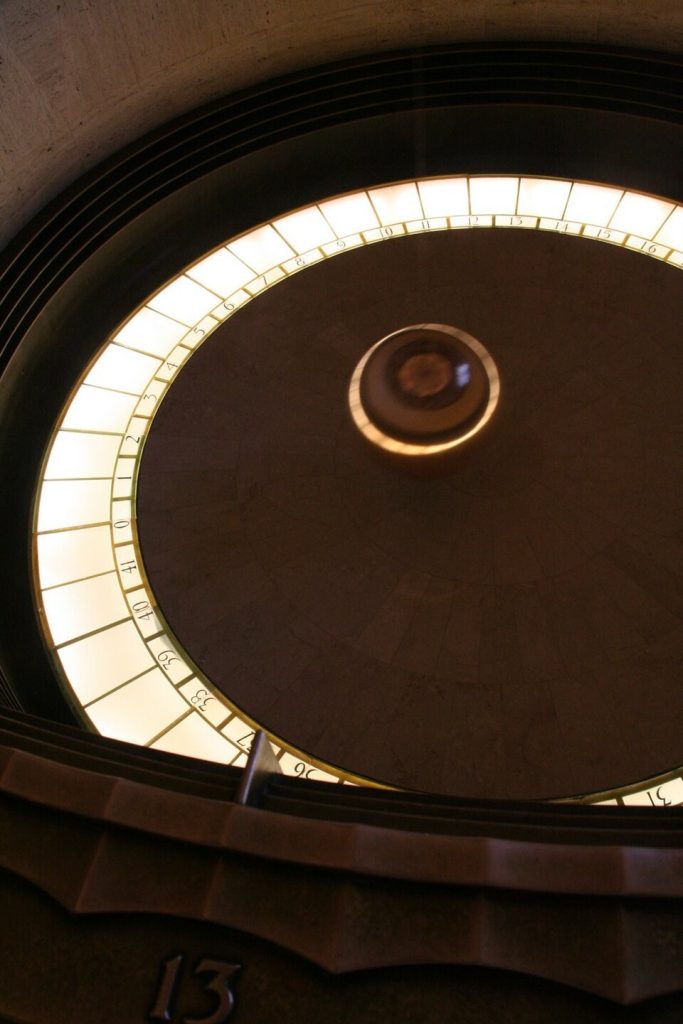
Check show suitability before building the day around it
A planetarium show is a different experience from moving freely through exhibits. Review the current program, age rules, ticket availability, and late-entry policy before buying. The Observatory’s FAQs are a useful place to check family-specific questions and visitor expectations.
Consider whether your child is comfortable with a dark room, a fixed seat, and a performance that cannot be paused. If not, a visit focused on the exhibits and grounds can still be satisfying. There is no need to turn the most structured activity into a test of whether the family enjoyed the attraction.
Build in movement and a break
Alternate a small amount of reading with something visual or physical. Look at a model, find a feature on the skyline, or let the child explain what they noticed. That change of pace can help more than adding another exhibit to the itinerary.
Identify restrooms and a suitable place for a break early in the visit. Keep food and drinks in permitted areas and check the current visitor guidelines. A snack break should be an intentional pause, not an attempt to keep everyone moving through a gallery while eating.
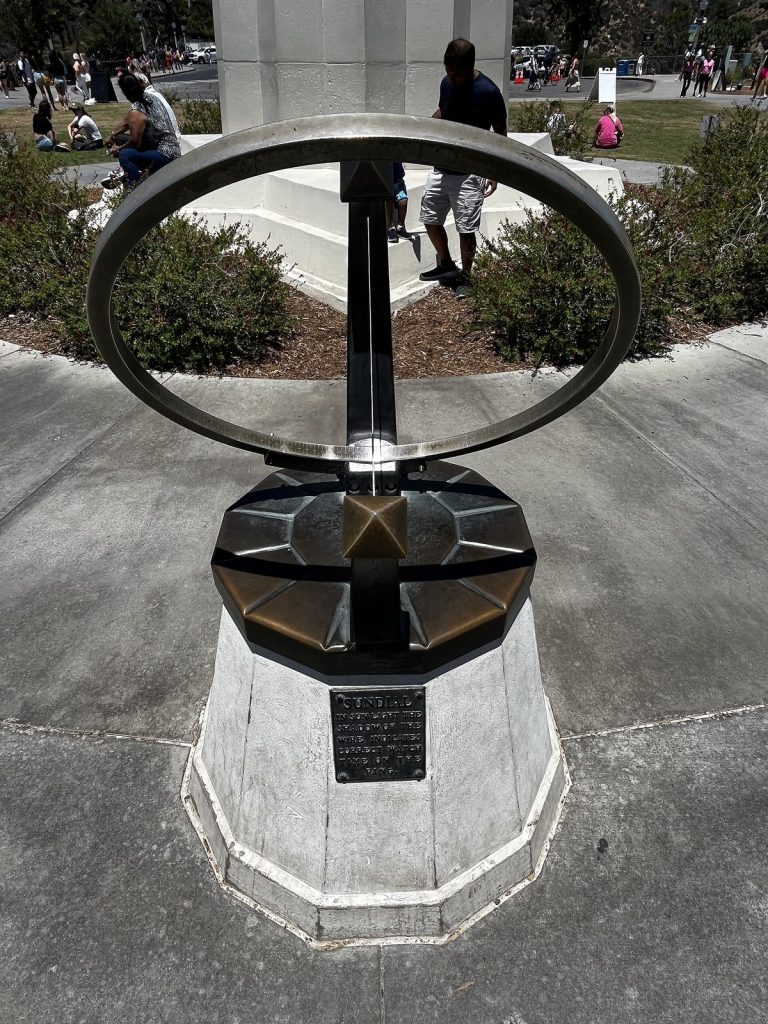
Choose transportation that suits the return journey
Check the Observatory’s official transportation information for the DASH connection, parking, and access options. If you use a bus, identify the return stop before entering the building. If you park farther away, account for the walk back when deciding how long to stay.
Sunset is a popular time, but it is not automatically the best family choice. A daytime visit may fit naps, meals, and attention better. For a later outing, bring a layer and choose a clear departure point before everyone gets tired.
A flexible family sequence
- Arrive and identify restrooms and the return route.
- Choose two or three exhibits around a shared question.
- Take a break before attention runs out.
- Enjoy the outdoor view while staying on public visitor areas.
- Leave time for a calm trip back down the hill.
Save a longer trail outing for another day unless the group genuinely wants both. Our Griffith Park hiking guide helps plan that separately. If you want a different hands-on museum option, compare our California Science Center family guide before choosing the day’s main destination.