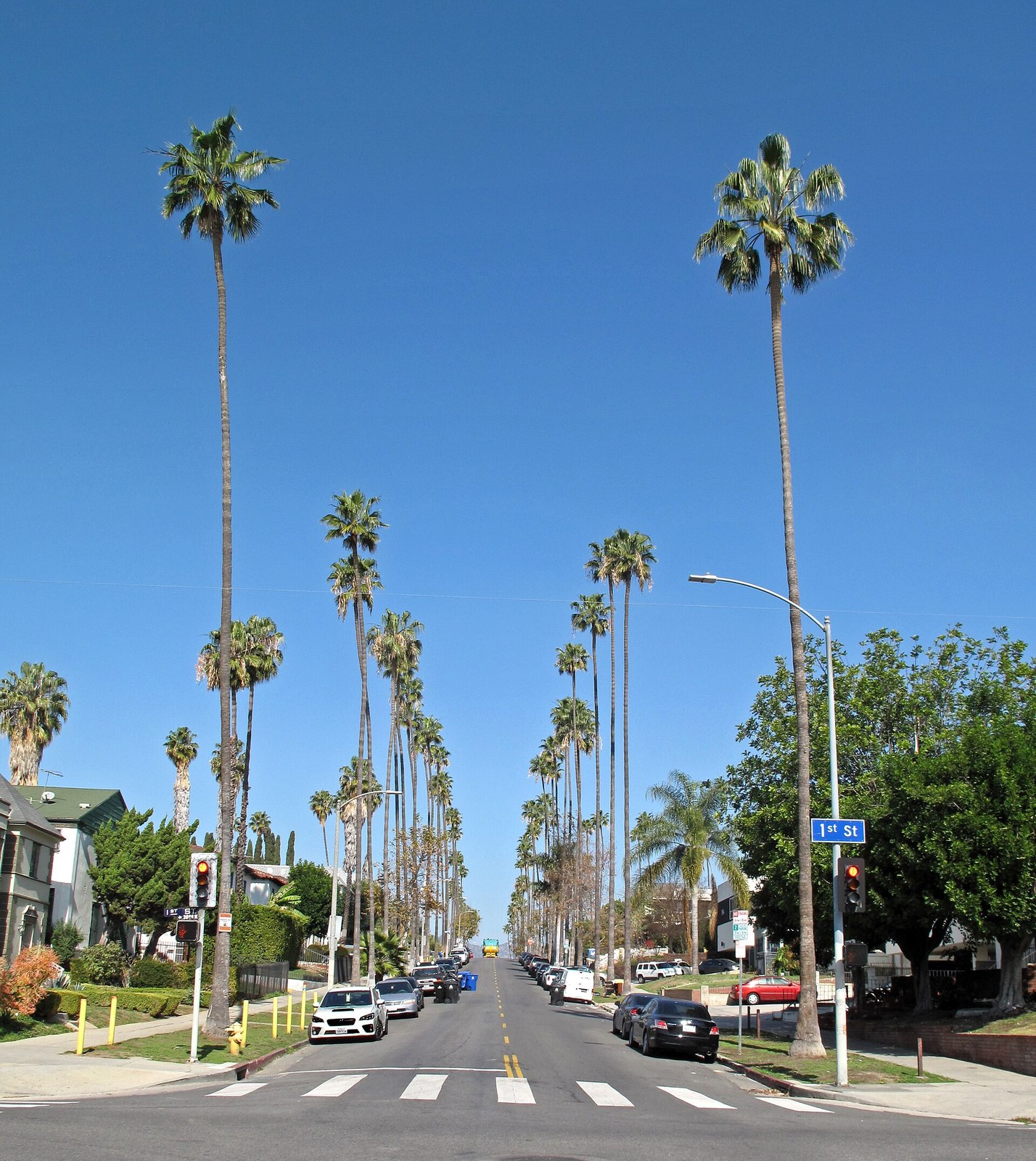
Moving to Los Angeles is easier when you begin with the few blocks around home. The citywide list of places to visit can wait. During the first month, focus on the services, routes, and ordinary stops that make a week run smoothly. That local knowledge will be useful long after the moving boxes disappear.
Confirm the address and service boundaries
Start by identifying the municipality that serves your home. A Los Angeles mailing label, a neighborhood nickname, and a city boundary are different things. Keep the official address, unit number, and building contact information together so you can use them consistently for deliveries and service requests.
For properties in the City of Los Angeles, City Planning’s ZIMAS information explains how to look up parcel and planning details. Use official tools for location questions rather than assuming a real-estate listing provides the complete picture. A zoning lookup is useful context, not a replacement for specific advice about a lease or project.
Build an everyday map
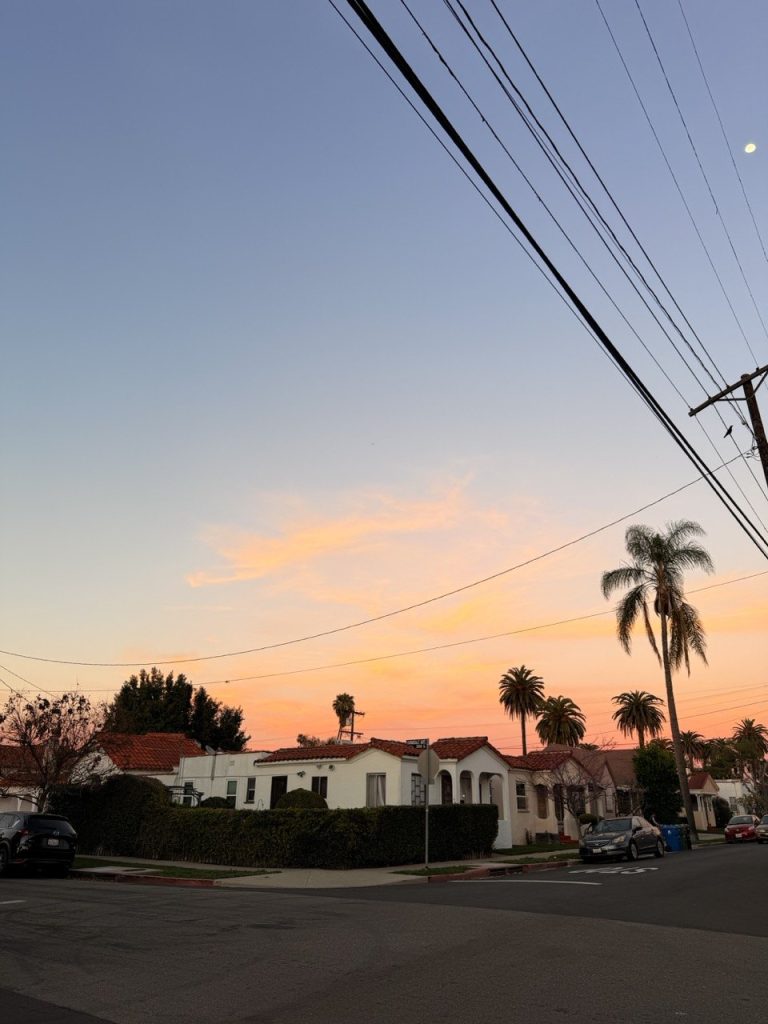
Identify a grocery option, pharmacy, library, park, and a place where you can sit for a short break. Check entrances and opening information, then visit at least a few on foot or by your usual transport mode. A destination that appears close on a map may require crossing a wide road or navigating a steep block.
Save the places you actually use rather than collecting a large list of recommendations. Our library-card guide is a good starting point for turning one neighborhood institution into a regular stop.
Test the commute before it matters
Try your work or school journey at the relevant time of day when possible. Include the walk to the stop, parking search, transfer, and final building entrance. Record the parts that were confusing so you can solve them before the first day with a strict arrival time.
Choose one backup route and decide when you would use it. For transit, our Metro first-ride guide covers the basic checks. If you drive, read the parking restrictions near home as carefully as those near work; the rules may differ by side of the street.
Set up the household systems
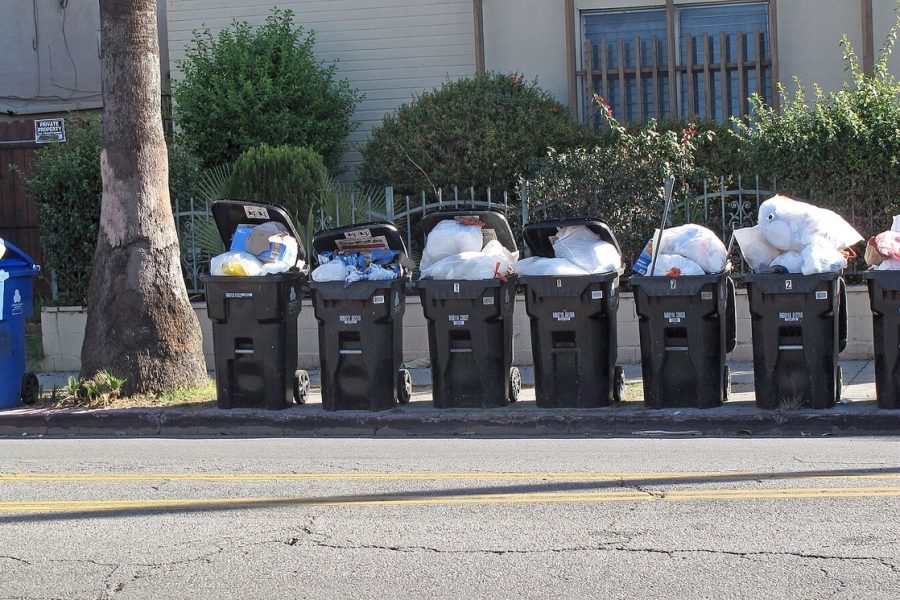
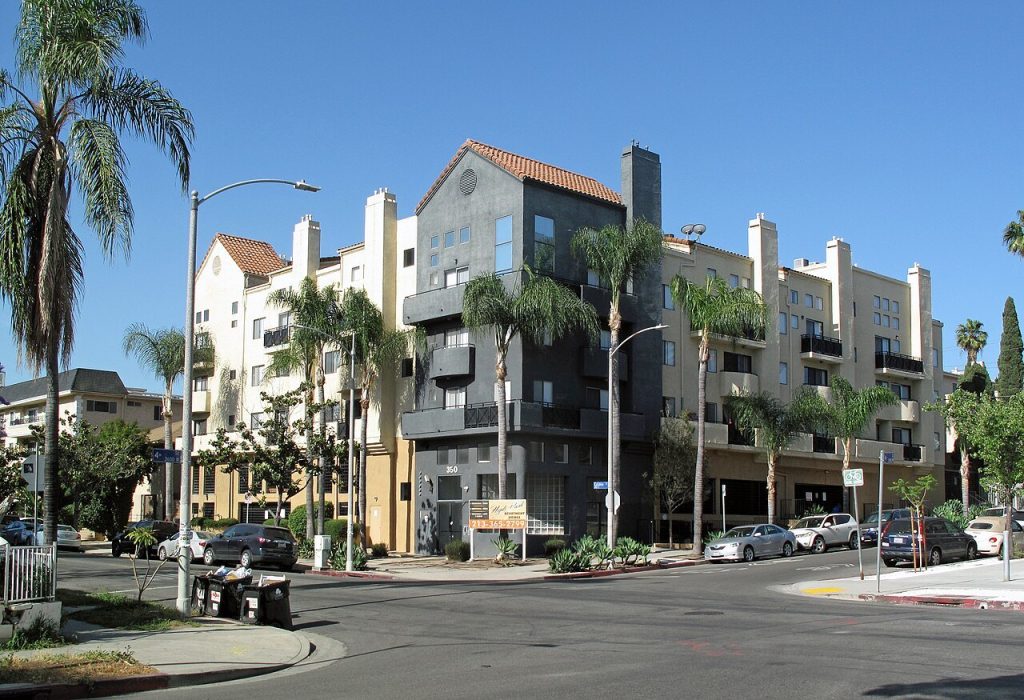
Confirm who handles utilities, waste collection, maintenance requests, and shared building access. Ask about delivery locations and how visitors should enter. Keep the answers in a short household note rather than scattered across messages that are difficult to find later.
For city-service questions, use the official MyLA311 directory. For a shared building, check with the manager first when a problem concerns a private system. Clear responsibility saves time and avoids sending the same request to several unrelated offices.
Get connected without overcommitting
The city’s Neighborhood Council finder can help identify the local council for a City of Los Angeles address. Review meeting information and topics before deciding how to participate. You can learn about nearby projects without immediately joining every local group or mailing list.
Finally, organize emergency contacts, a household meeting plan, and essential supplies. Learn the building’s exits and keep important documents accessible. A successful first month does not require knowing all of Los Angeles. It means you can get through an ordinary week, find the right help, and explore beyond your neighborhood from a stable starting point.