

Los Angeles has plenty of cultural programming that does not require a paid admission ticket. The harder part is finding something that is actually happening, suits your interests, and fits the travel time you have available. A useful search starts with a neighborhood and a date rather than a long, undated list of things to do.
Use official organizer calendars as the final source. An old roundup can introduce an event series, but it cannot confirm this week’s performance, registration requirements, or location.
Start with a few dependable calendar sources
The Los Angeles Public Library events calendar covers free programs for different ages and interests. Its branch, audience, and date filters are useful when you want something local rather than an outing that crosses the region.
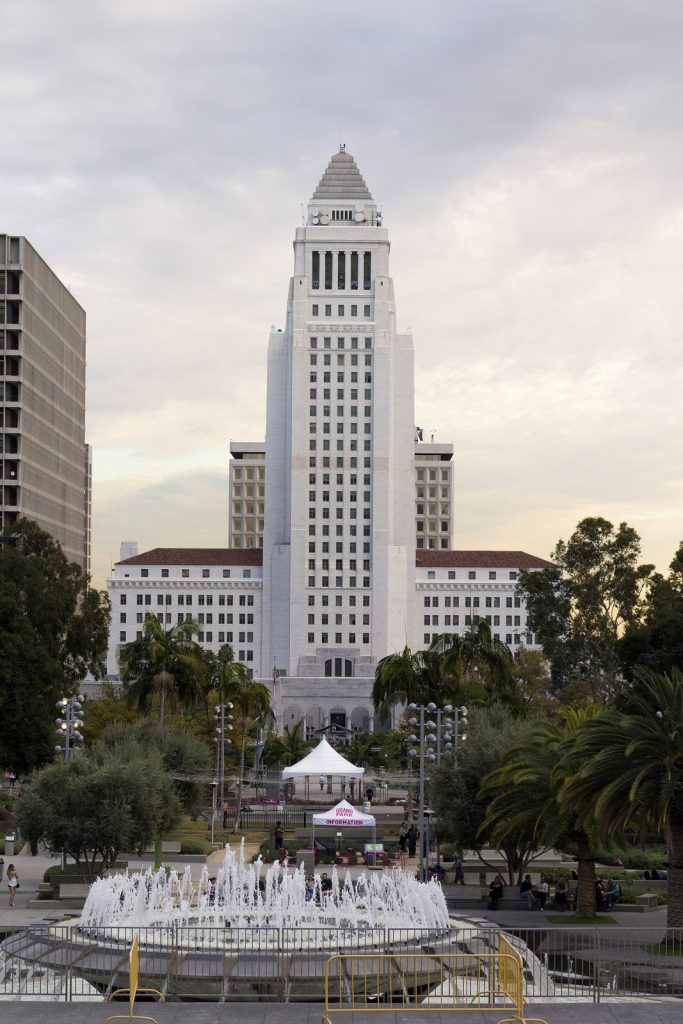
For outdoor cultural programming Downtown, check Gloria Molina Grand Park’s events page. Read the individual event listing, not just the series description. A park that hosts public programs does not necessarily have an event every weekend.
The Music Center’s Dance DTLA page is another example of a recurring seasonal program to follow. Verify the current season and actual dates. A page recapping a past summer is not an announcement that the event is running tonight.
Define what free includes
Separate admission from the rest of the outing. You may still pay for transportation, parking, food, a workshop supply, or an optional activity. Set a total budget before deciding that a distant free event is the cheapest choice.
Check whether an RSVP is required and whether it guarantees entry. Some programs have limited space or a first-come arrangement. Save the confirmation and read instructions about arrival deadlines, guest counts, and cancellation.
Match the event to the group
Look for an explicit age range when attending with children. An all-ages listing means children can attend; it does not necessarily mean the activity is designed for young children. Consider duration, seating, noise, shade, and whether the group can leave easily if needed.
For accessibility questions, use the organizer’s designated information rather than guessing from photographs. Ask about the specific need, such as step-free entry, seating, captioning, or a quieter space, and allow enough time for the organizer to respond.

Build one event into a small local plan
Choose the event as the anchor and add only one nearby meal, walk, or browsing stop. Check the travel route between them. A venue that appears close on a regional map may still require a substantial walk or a separate transport leg.
Keep an indoor or shorter alternative if the program is outdoors. Confirm weather-related notices through the organizer before traveling. If an event is canceled, use the backup rather than repeatedly refreshing a third-party listing that has not been updated.
Save what worked for next time
After a good outing, bookmark the organizer rather than only the individual date. You can return to the current calendar when planning again. Keep a short note of the travel time and facilities that worked for your group.
For family programs, our library activities guide helps narrow the choices. For a quieter outdoor alternative, compare the options in our urban parks guide. Both make it easier to enjoy the city without needing a major production every weekend.