

A family beach day becomes easier when the plan is built around one base. Choose an access point, find the facilities you need, and settle into a stretch of sand that suits the group. Moving repeatedly between parking, a pier, a meal stop, and a second beach can use more energy than the water or sand play.
Begin with the kind of day everyone wants. A shoreline walk, sandcastles, and supervised swimming require different preparation, even when they happen at the same beach.
Choose facilities before a famous name
Check the official beach information for restrooms, access routes, parking, and any features your family relies on. Think about the distance from your arrival point to the spot where you will sit. That distance matters when carrying bags, helping children, or returning with wet and sandy belongings.
If a family member uses a mobility device, check specific accessibility arrangements before leaving. A general statement that a beach is accessible does not tell you whether a particular path, wheelchair loan, or seasonal service is operating.
Check the water before choosing water activities
LA County Public Health maintains a current beach water-quality map and advisories. Review it before the trip and follow posted notices on arrival. A bright, sunny day does not establish that water conditions are suitable.
The department advises avoiding ocean-water contact for three days after significant rainfall, particularly near flowing storm drains, creeks, and rivers. If water contact is discouraged, switch to a dry-land plan rather than treating the beach visit as an all-or-nothing decision.
Make supervision a clear job
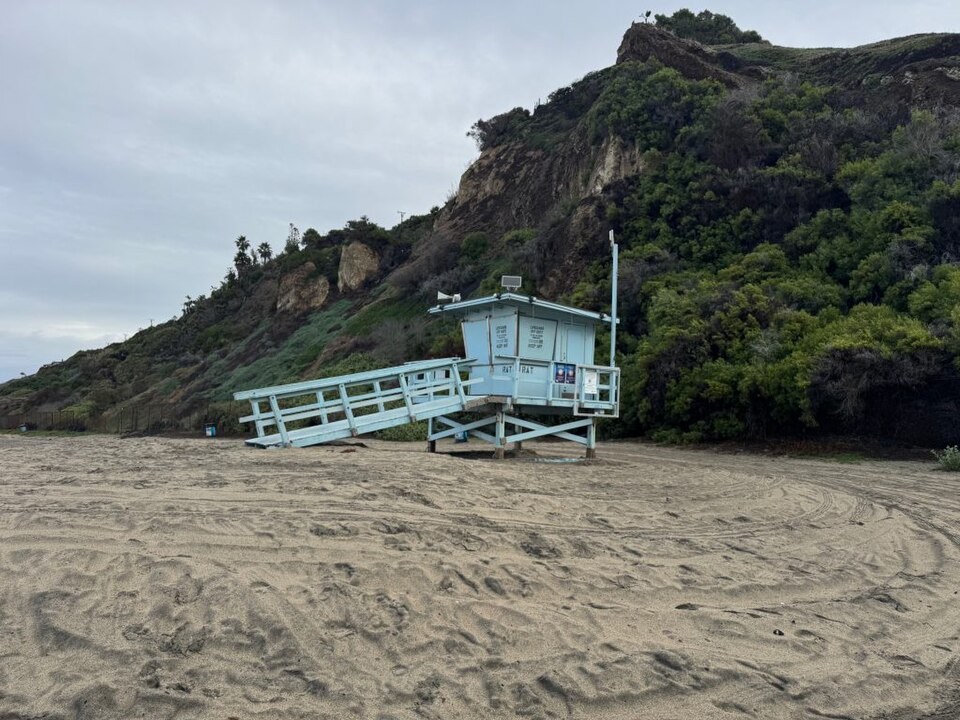
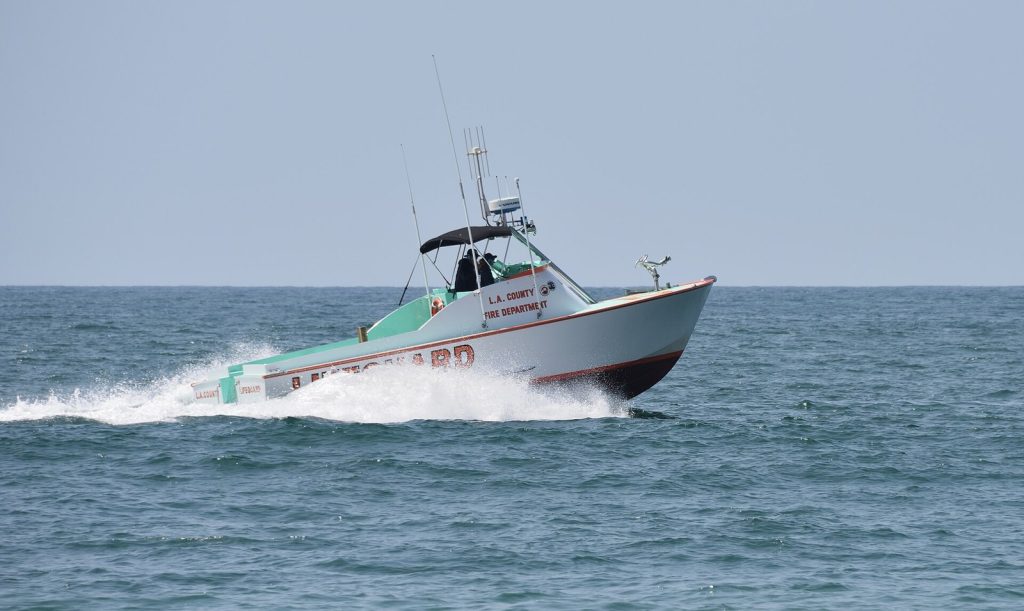
The LA County Lifeguards’ safety guidance recommends swimming near an open lifeguard station, asking about conditions, and not swimming alone. Keep children under active adult supervision; the presence of a lifeguard does not replace that role.
When several adults are present, agree who is watching the children at each point. Make a direct handover before someone leaves for food, a restroom, or a phone call. Establish a recognizable meeting point and show children where to seek help if separated.
Keep the base organized
- Bring water and food in quantities you can carry comfortably.
- Keep dry clothing separate from towels and wet items.
- Have a secure place for keys, phones, and transit cards.
- Use sun protection and check that shade equipment is allowed and properly secured.
- Keep bags and play away from bicycle routes and pedestrian access.
Before crossing a beach bike path, stop and look both ways. Do not let the route between your towel and a snack stand become an unsupervised race across moving traffic. At the end of the visit, fill holes and collect toys and rubbish before the group disperses.
Leave while the return is still manageable
Include time for packing, changing, and walking back. If the group is already exhausted, extending the visit for one more activity can make the journey home harder. A shorter successful day is easier to repeat.
For an outing centered on walking rather than swimming, use our coastal walk guide. Our outdoor packing guide can help reduce the load while keeping the items your family actually needs.