
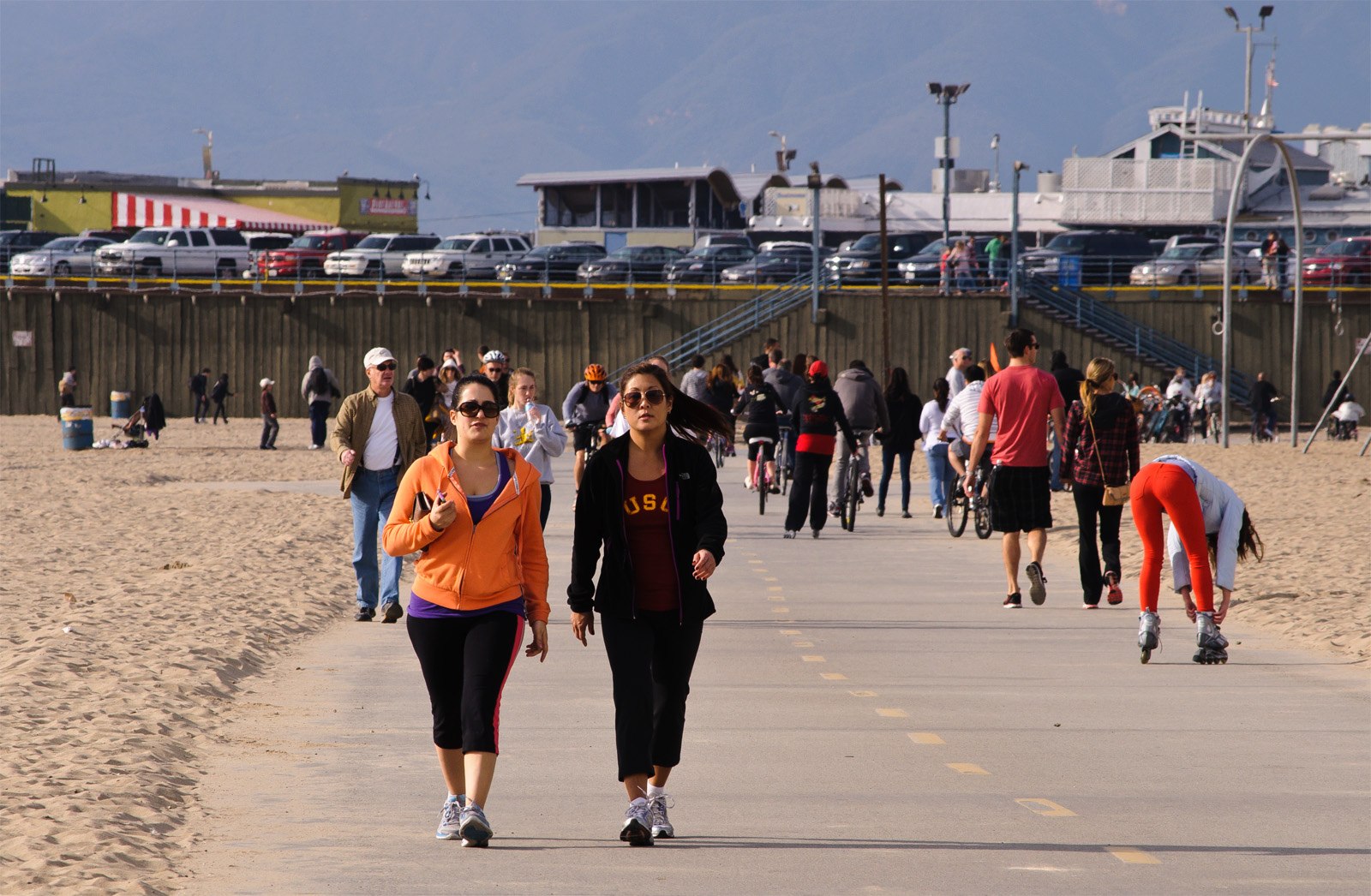
A coastal walk does not need to become a full beach day. Choose one stretch of shoreline, carry a small bag, and give yourself enough time to stop without worrying about reaching a distant destination. In Los Angeles County, that approach works better than trying to connect every well-known beach in one outing.
The most useful decisions happen before arrival: where to begin, whether to walk on sand or a paved pedestrian route, and how to return. These choices shape the day more than the number of landmarks on your list.
Use the coast map to choose a manageable area
LA County’s Marvin Braude Bike Trail page describes the coastal bicycle route between Will Rogers State Beach and Torrance Beach. Its map also helps orient visitors to beach names, distances, and restroom locations. It is a planning reference, not an instruction for pedestrians to walk in a designated bicycle lane.
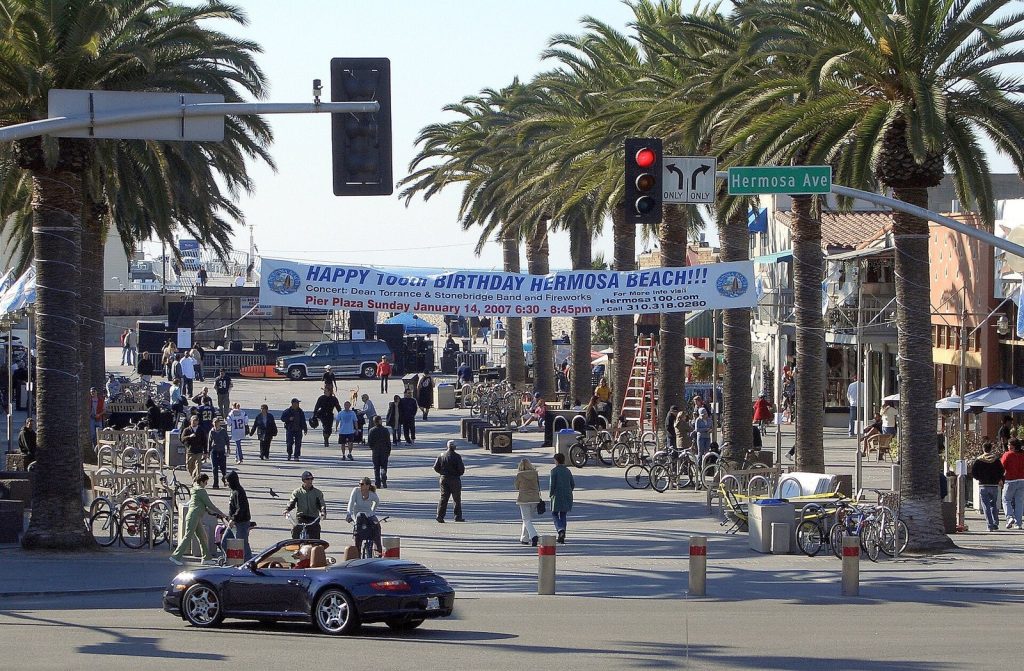
For a first outing, choose a beach access point near the neighborhood where you already plan to eat or spend time. Around Santa Monica, Venice, and the South Bay, decide which local area you want to experience rather than treating the whole coastline as one continuous pedestrian itinerary.
Choose the surface for your group
Walking on firm pavement and walking through soft sand can feel like very different activities. A stroller, mobility device, recent fatigue, or a child’s pace may make a paved option more practical. Check the specific beach’s accessibility information instead of assuming every access ramp connects to a continuous route.
Set a time-based turnaround if you do not know the area. For example, agree to check in with the group after a short initial stretch and decide whether to continue. The return leg should be part of the outing from the beginning, not an extra task discovered when everyone is tired.
Give each path its proper role
Follow signs that separate walking and cycling areas. Before crossing a bike path, stop and look in both directions. LA County Lifeguards specifically include this reminder in their beach safety guidance. Keep bags, blankets, and children clear of through traffic when pausing for a photo.
At narrow points, walk predictably and leave space for others to pass. If your group wants to stop, move fully out of the active path. Avoid stepping backward for photographs without first checking the space behind you.

Pack for the walk you will actually take
Carry drinking water, sun protection, and a layer for a change in wind or temperature. Comfortable shoes are more useful for a long paved walk than footwear chosen only for the sand. Keep your phone charged, and save the name of your starting access point before you wander away from it.
If a meal is part of the plan, choose whether it comes before or after the walk. Carrying takeout, drinks, and a beach bag for an unplanned distance can make a simple outing cumbersome. A small snack and a definite meal stop often work better.
Keep the plan flexible
Weather, crowded access points, or a closed facility can make a shorter route the better choice. You can still enjoy the shoreline without entering the water. Our family beach-day guide covers a longer stay, while the outdoor packing guide helps you prepare for a walk that stays deliberately light.