An outdoor day bag should reflect the outing you have chosen. A short park visit, an exposed hill walk, and several hours on the coast do not need identical equipment. Packing everything you own makes the bag heavier; packing only a phone can leave you dependent on facilities that are closed or farther away than expected.
Start with the route, weather, and time away from home. Then divide the contents into essentials you will use, items for a predictable change in conditions, and extras that can stay behind.
Check the destination forecast
Use the National Weather Service’s Los Angeles forecast resources for the area where you will actually spend the day. A forecast for your home neighborhood is not a substitute for checking a coastal or hillside destination. Review relevant alerts as well as the temperature.
Think about the whole visit rather than the starting hour. A late-afternoon walk may end under different light, wind, or temperature conditions. If the forecast does not suit the route, changing the plan is often more useful than adding another item to the bag.
Build a small core kit
- Drinking water in a container you can comfortably carry.
- A snack suited to the duration of the outing.
- Sun protection, including a hat and sunscreen.
- A charged phone, saved route information, and a compact power bank for a longer day.
- A light additional layer and any personal items you normally need away from home.
- A small bag for your rubbish and used packaging.
Put frequently used items where you can reach them without unpacking everything. Keep keys and tickets in a secure compartment. If several people share supplies, make that arrangement explicit; everyone assuming someone else packed water is not a useful system.
Add items according to the activity
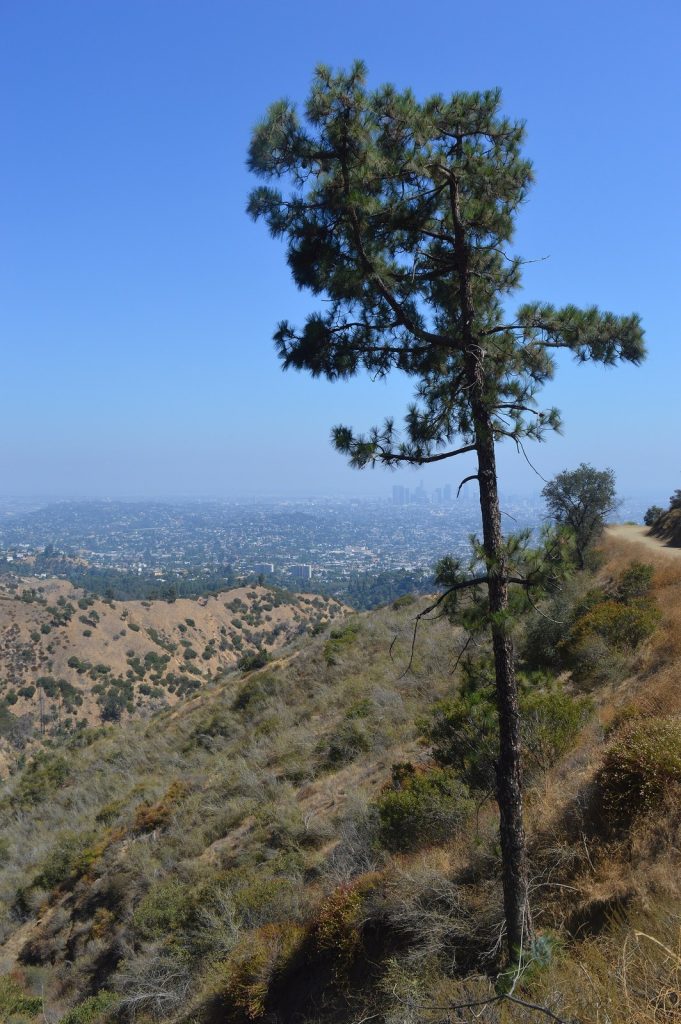
For a hill walk, prioritize footwear with grip, route information, and enough water for the conditions. The National Park Service’s Santa Monica Mountains hiking guide shows how much local trails vary, from short routes to demanding climbs. It also notes that regulations differ by land manager, so verify the exact location before bringing a dog or planning other activities.
For the coast, a layer, towel, and bag for sandy belongings may be more useful than extra hiking equipment. If you only intend to walk, leave bulky swimming gear behind. For a picnic, choose food and containers that remain manageable when carried back empty.

Pack for children without making them carry the plan
Give children a manageable item or small bag if appropriate, but keep essential supplies with an adult. Bring what supports the actual outing: a spare layer, a simple snack, and something small for a seated break can be more useful than a selection of toys.
Consider the return trip when choosing what to carry. A child who walks happily at the start may need more help later. Leave your hands and bag arrangement flexible enough to manage that change without juggling open drinks or loose equipment.
Keep a destination and a return point
Save the trailhead, parking location, or transit stop. Tell someone outside the group where you plan to go when the outing warrants it. Choose a turnaround time and agree that the route can be shortened if conditions or energy change.
Use our Griffith Park hiking guide to match this list to a hill walk, or our family beach-day guide for a longer stay near the water. A useful bag supports a clear plan; it does not need to prepare for every possible day in Los Angeles.