
A Thai Town food outing is more rewarding when you choose a restaurant for what it cooks, not just because it appears on a long list. Start with a dish or style of meal that interests you, read the current menu, and give the surrounding neighborhood some time as well.
One main meal and one smaller stop are enough for a first visit. Adding several full restaurant meals can make the day expensive and rushed, especially if your group is waiting for separate tables.
Understand the neighborhood beyond the meal
The Thai Community Development Center’s account of Thai Town explains the neighborhood’s designation in 1999 and its role as a cultural and commercial center in East Hollywood. Restaurants are part of a wider community of businesses, services, and social connections.
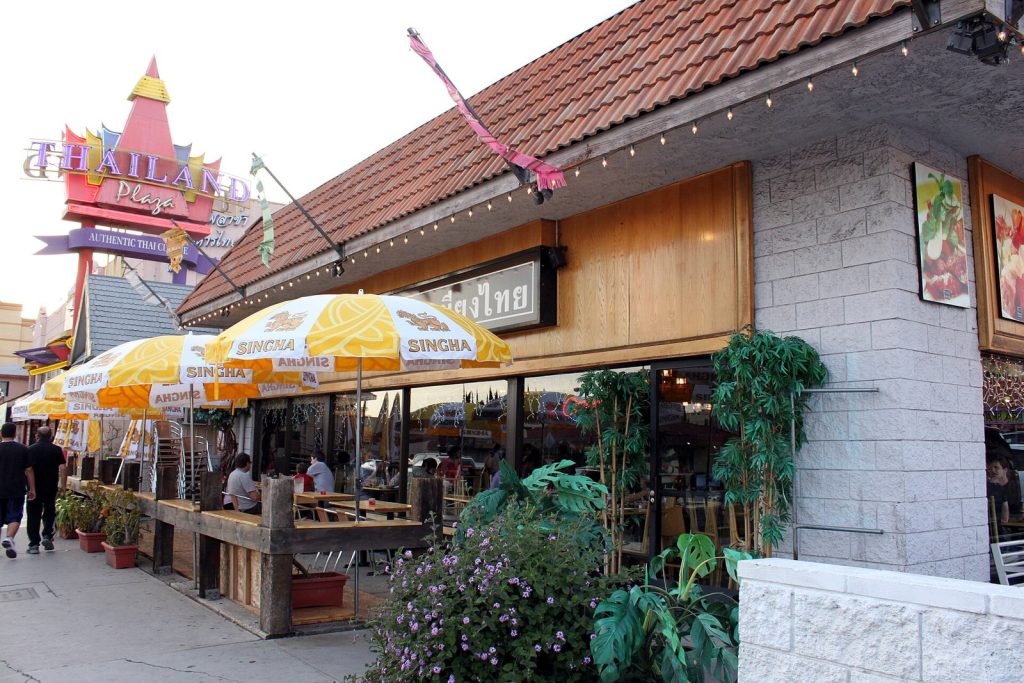
Read that background before choosing your route. Look for the neighborhood’s gateway features and businesses while walking, but keep the focus on public space and shops that welcome visitors. Ask before photographing people or merchandise at close range.
Use a real menu to choose your meal
Sapp Coffee Shop’s menu is one useful starting point, with categories including noodle dishes, rice dishes, soups, and salads. Compare those choices with the kind of meal your group wants. The name “coffee shop” alone does not tell you what to expect from a restaurant’s kitchen.
Rather than ordering several similar dishes, consider a mix of textures and formats that the table can comfortably share. If you want individual meals, say so before placing the order. Shared dining works best when everyone agrees on the portions, budget, and ingredients.
Be specific about spice and dietary needs
Describe your preference clearly instead of assuming a number on one restaurant’s spice scale means the same thing elsewhere. Ask how the kitchen prepares the dish and whether the heat can be adjusted. Start with an order everyone can enjoy, then add condiments only after tasting if the restaurant provides them.
For allergies or dietary restrictions, ask about the actual sauce, broth, garnish, and preparation. A vegetable dish is not automatically vegan, and a familiar dish name does not establish every ingredient. Give the staff the information they need before the kitchen starts cooking.
Plan a short walk rather than a long crawl
Save the exact restaurant address and identify a second stop within a comfortable distance. Check whether that business is open when you expect to finish eating. If the second stop involves groceries or sweets, ask how to carry and store the purchase.
- Set a meeting point outside the busiest part of the entrance.
- Confirm whether your group needs a reservation or can join a walk-in queue.
- Leave room in the budget for drinks, tax, and any applicable service charges.
- Cross at marked intersections and avoid stepping into traffic for photographs.
- Check your return route before a late meal.
Choose a pace that leaves room for conversation
Allow the meal to be the main event. Ask about a dish that is new to you, read the menu carefully, and resist ordering only for a photograph. Keeping the plan compact gives you time to notice the details that make a neighborhood restaurant different from another stop on a citywide list.
For another culturally rooted food outing, see our Little Tokyo food guide. If your group would rather choose from several separate vendors, our food-hall planning guide offers a different approach.