A food hall can solve the problem of friends wanting different meals, but it introduces other decisions. Where will everyone sit? Will the group order at the same time? Does the venue operate every day or only during a particular market session? Answering those questions first makes the outing easier.
Los Angeles has several market-style options with distinct layouts and rhythms. Grand Central Market, the Original Farmers Market, and Smorgasburg at ROW DTLA are useful examples to compare. They should not be treated as identical substitutes simply because each brings multiple food businesses together.
Choose the setting before choosing the dish
Grand Central Market is a Downtown choice for a meal built around separate counters. It can fit an outing that already includes another Downtown stop. Our first-visit guide explains how to survey the options without overordering.
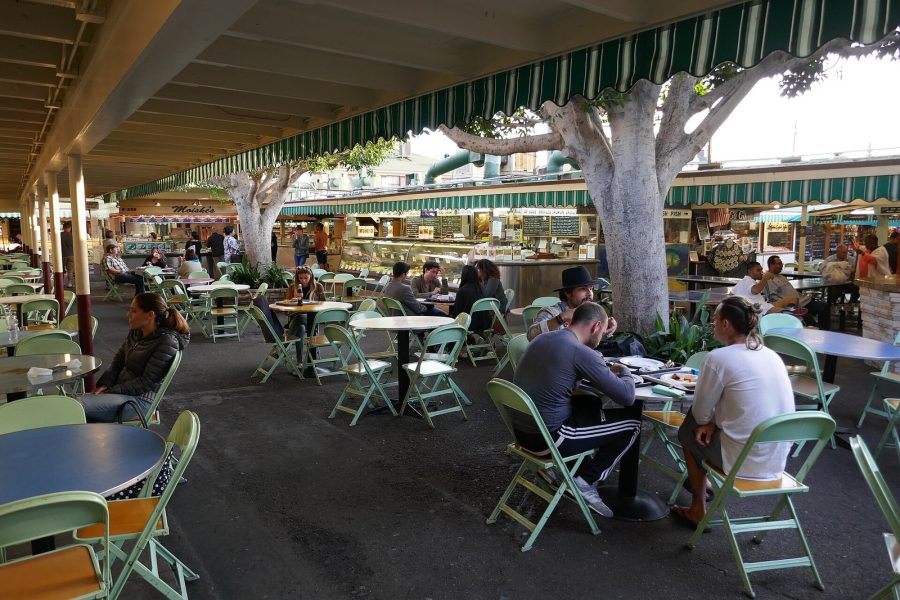
The Original Farmers Market at Third and Fairfax combines dining with grocery and specialty shopping. Choose it when browsing is part of the plan, and check the relevant merchant rather than relying only on the market’s general schedule.
Smorgasburg at ROW DTLA is an open-air market centered on independent food businesses. Its event-based format makes the operating calendar particularly important. Verify the actual session before arranging transport or telling friends to meet there.
Set expectations in the group message
Send the exact venue, meeting point, arrival window, and a short explanation of how the meal will work. “Order separately and meet after browsing” is more useful than “lunch at the market.” Ask whether anyone needs a seated restaurant meal, step-free access, or a quieter setting before committing.
Choose a backup if the first place cannot meet a requirement. A large selection of food does not automatically guarantee suitable ingredients, available seating, or a comfortable route for every visitor.
Make ordering and seating work together
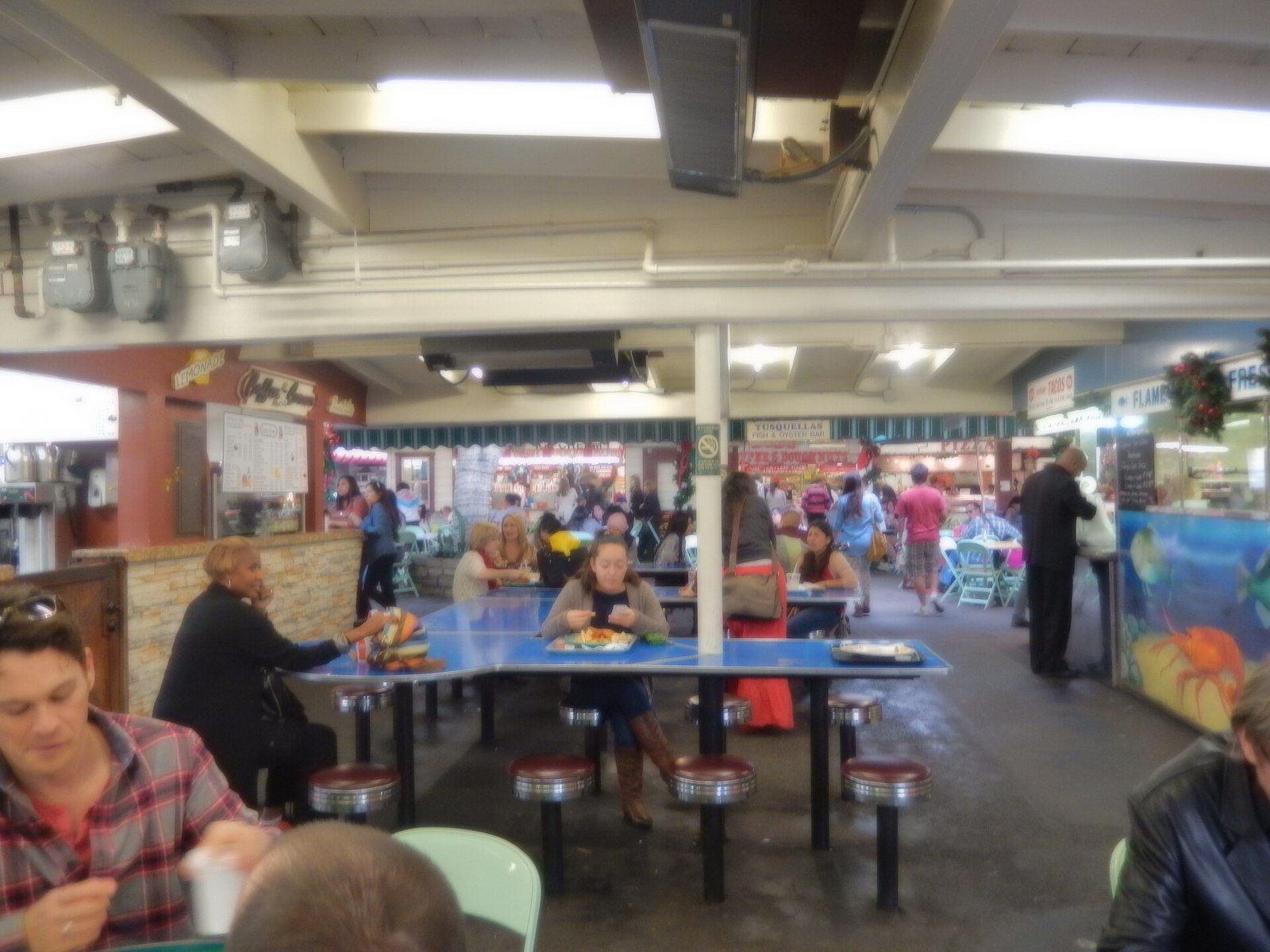
Look for a practical place to eat before the group commits to several hot orders. Do not assume that a busy market can seat a large party at one table. If sitting together is essential, a restaurant reservation may be a better fit than independent counters.
For smaller groups, split briefly to compare menus and regroup before ordering. That gives everyone a chance to choose without leaving one person responsible for bags, seats, and several unfinished decisions. Keep aisles clear and avoid treating shared seating as a place to store purchases for the afternoon.
Keep money and dietary needs straightforward
- Agree whether everyone pays individually or shares a few specific dishes.
- Check menu prices and additional charges before placing an order.
- Ask each vendor directly about ingredients and preparation.
- Keep receipts until the group has collected every order.
- Decide on drinks and dessert after seeing the main portions.
If someone has a serious dietary restriction, have them select a confirmed option first. The rest of the group can then decide whether the venue still works. This is more considerate than arriving hungry and hoping one of many stalls will be suitable.
Choose one extra activity
After the meal, leave space for a short walk or browsing rather than another tightly timed reservation. Our ROW DTLA shopping guide helps with a market-and-retail combination, while the Original Farmers Market guide offers a more food-focused plan. A clear meeting arrangement and a modest itinerary usually matter more than finding the longest vendor list.