
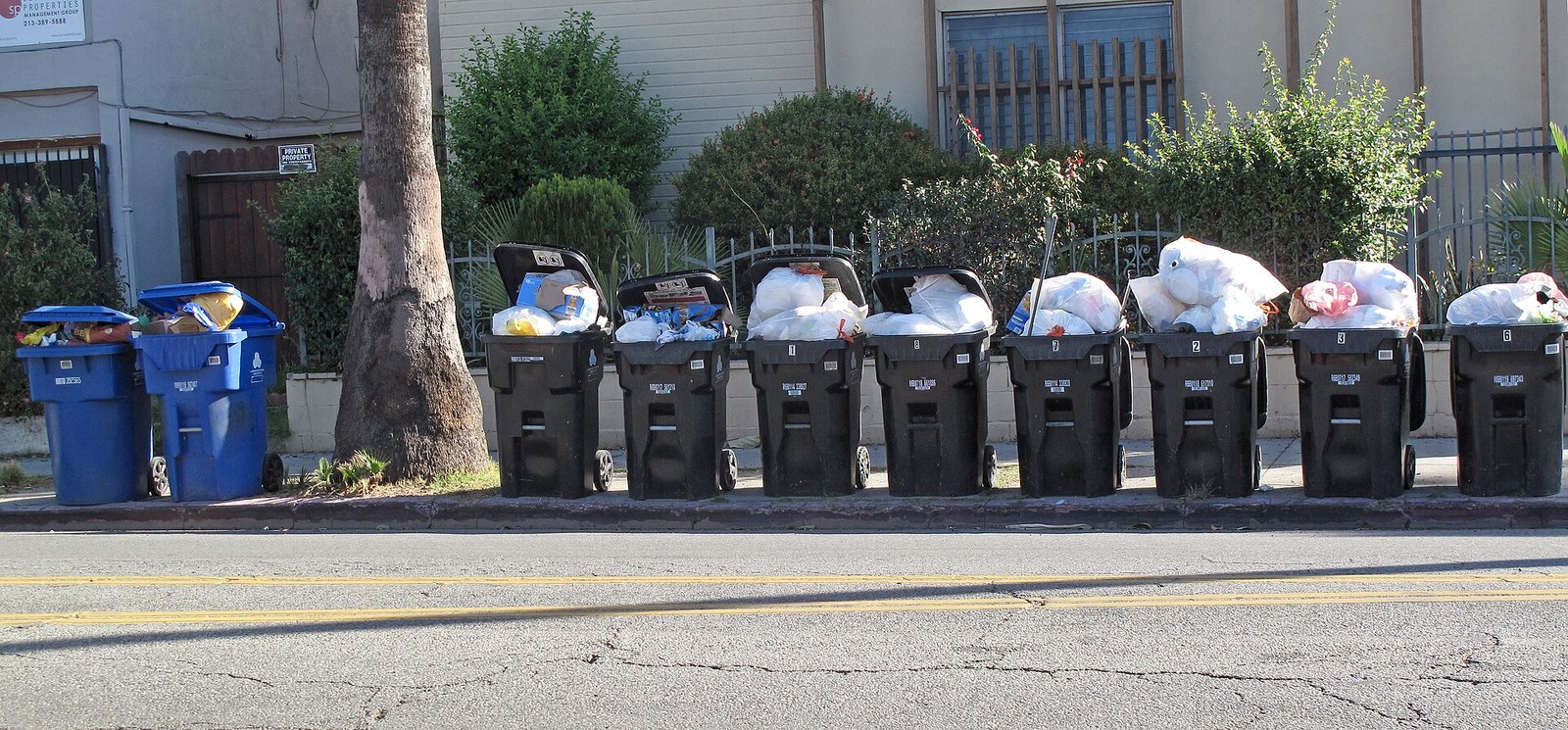
A useful recycling routine begins with the collection service at your address. Los Angeles households do not all use the same containers or collection arrangements. Before copying a neighbor’s system, confirm whether your home receives city curbside service or uses a building’s shared collection program. The right instructions are the ones for your actual provider.
Learn the three everyday streams
For city-served single-family households, LA Sanitation’s residential guide separates trash, recycling, and organics. Its blue-bin guidance identifies accepted materials, while green-bin service covers food and yard material. Review the current list rather than deciding an item belongs in recycling because it looks reusable.
Apartment residents should also check the building’s labels and provider information. The recycLA service page addresses commercial and multifamily collection. Ask the property manager where each material belongs when the shared enclosure is unclear.
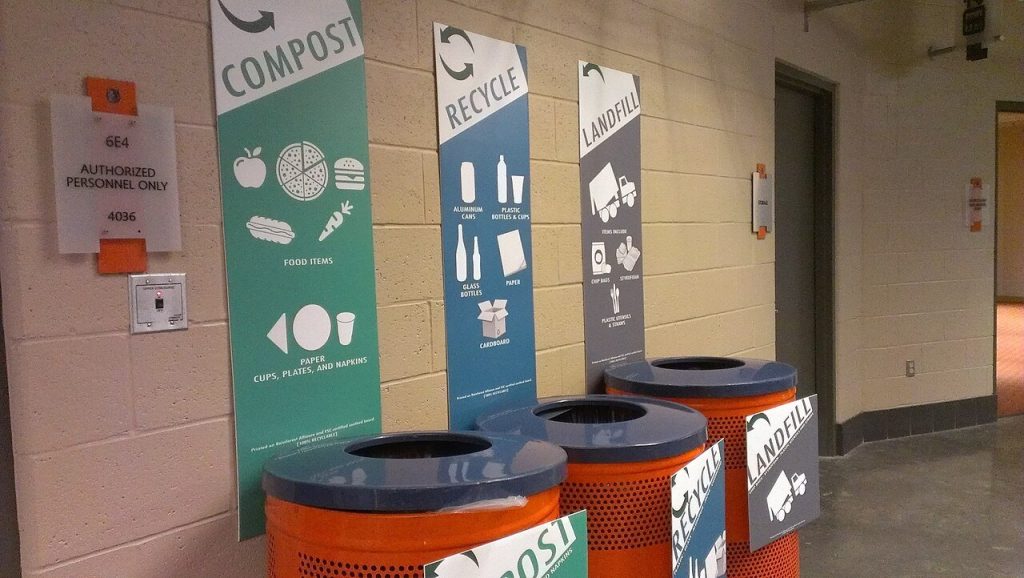
Make sorting easy where waste is created
Put simple labels near the containers you use most. A kitchen setup that requires a trip outside for every small item is easy to abandon. Choose containers that fit your space and can be emptied comfortably. Keep the instructions short enough that guests and other household members will actually read them.
Flatten packaging when appropriate and avoid allowing overflow to become a permanent condition. If the household repeatedly runs out of room, look at the source of the material and the collection arrangement. Adding another bag beside a shared bin is not a reliable solution.
Give food scraps their own routine
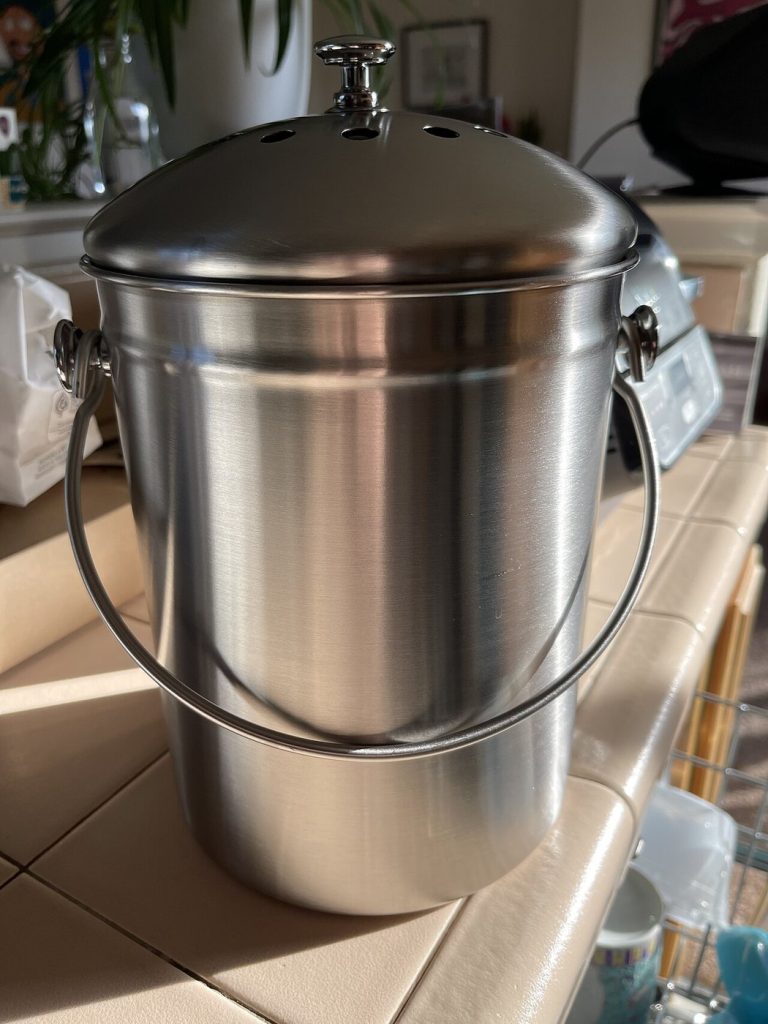
LASAN’s organics instructions explain using a small lidded kitchen container and emptying it into the green bin. They also identify materials that should stay out, including plastic and compostable bags. Follow those local instructions even when a product’s packaging uses a general compostability claim.
Place the kitchen container where food is prepared and choose an emptying schedule you can maintain. Wash it as needed and keep the lid usable. A small, frequently emptied container is often easier to manage than a large one that is unpleasant to carry or clean.
Separate hazardous household items
Batteries, chemicals, and electronics need their own disposal check. LASAN’s SAFE Center guidance explains accepted materials and preparation. Keep these items out of ordinary sorting while you confirm the correct destination; do not place them in the blue bin because their components might be recyclable.
Before a drop-off trip, check the facility’s current hours, accepted items, and quantity limits. Keep products identified in their containers and follow the official transport instructions. Do not mix leftover substances to save space.
Deal with service problems separately
A missing container, a missed collection, and a large unwanted item are different service needs. Use the appropriate option rather than adding the item to a stream that does not accept it. Our MyLA311 guide explains how to prepare a clear service request.
If you have just moved, include waste collection in your neighborhood setup checklist. Confirm the collection day, container location, and building expectations before the first week ends. A workable routine is specific to your home, easy to repeat, and flexible enough to handle unusual items without guesswork.