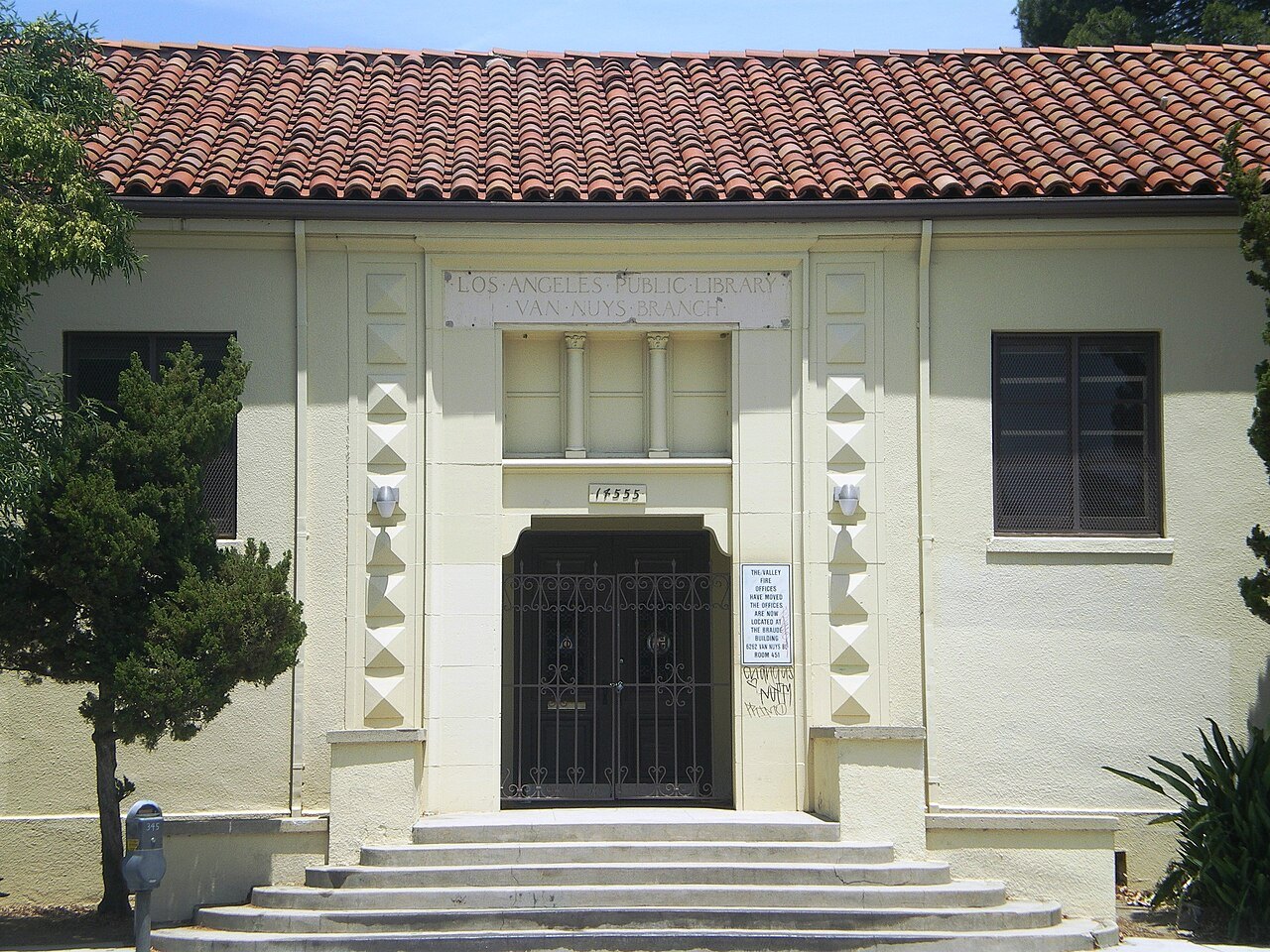
A library card is a practical way to get more from everyday life in Los Angeles. It can support a reading habit, help you explore digital resources, and give you a reason to get to know a neighborhood branch. Start by checking which library system serves the place you plan to visit. Los Angeles Public Library and LA County Library are separate systems, so their cards and policies should not be treated as interchangeable.
Choose the right application route
Los Angeles Public Library’s borrowing policies explain that California residents can obtain a free regular card. You may apply at a branch or preregister before visiting. Review the accepted identification and address documents so you can bring the right combination on your first visit.
The LAPL e-card application is specifically for City of Los Angeles residents and includes an address-verification step. If you already have a regular card or Student Success Card, the library says you do not need an additional e-card. Recover an existing account rather than creating duplicate access.
Pick a branch that fits your actual week
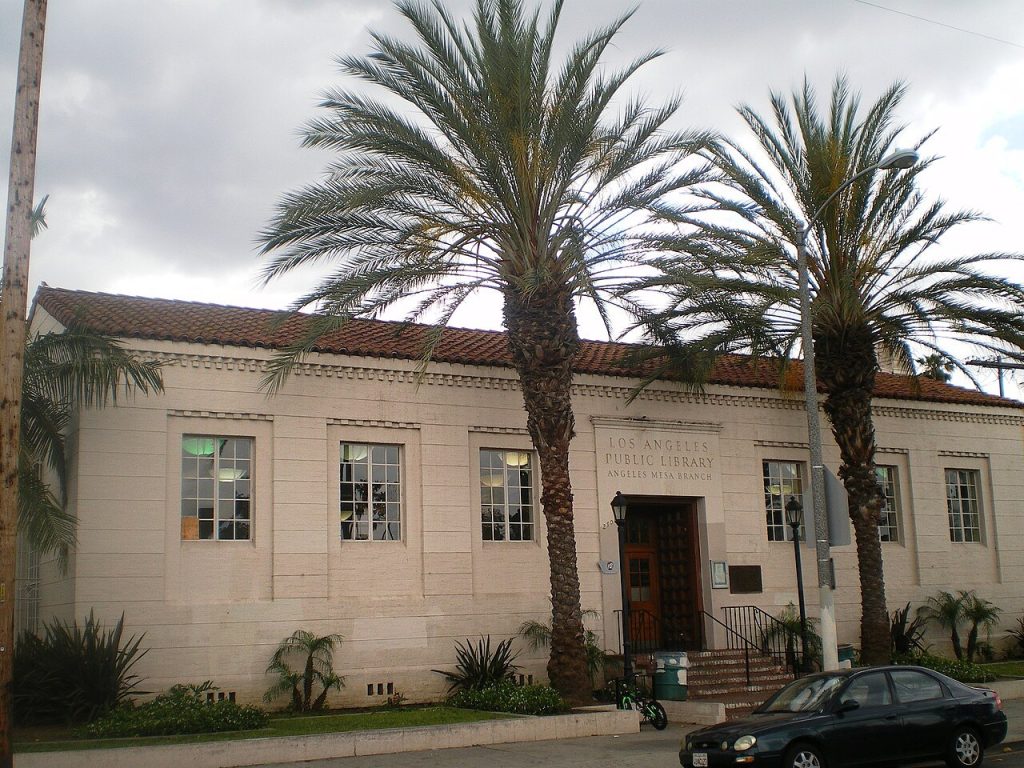
The closest branch is a useful starting point, but also consider your commute, errands, and the times you can visit. Look at the branch’s own calendar and opening information before leaving. A branch that fits a regular grocery trip may be more useful to you than a larger building you rarely have time to reach.
For a first visit, leave room to look around rather than arriving just before closing. Find the service desk, return point, seating, and the collection that interests you. Ask staff how holds and pickups work for the material you want to borrow.
Start with one borrowing habit
Choose a small first goal: one novel, a weekly children’s-book visit, or a digital audiobook for your commute. Test the account and borrowing process while you have time to resolve questions. It is easier to learn a digital service at home than just before a long journey.
Review due dates, renewal conditions, and notifications in your own account. Do not assume that every type of material follows the same rules. Keep a dedicated spot at home for borrowed items, especially if several people in the household use different cards.
Check eligibility for special resources
A card can open access to services beyond books, but availability and eligibility vary. The library’s card comparison identifies differences between regular cards and e-cards, including Explore L.A. access. Read the current requirements for the resource you want instead of assuming every benefit is included automatically.
When trying an online service, begin from the library’s website. Save the relevant login instructions and confirm which card number and credentials it requires. If something does not work, describe the specific service and error when asking the library for help.
Make the library part of a local routine
A branch visit pairs well with another short neighborhood errand. Plan the walking or transit connection in advance, particularly if you are carrying books or visiting with children. Our neighborhood settling-in checklist helps you identify useful everyday places close to home.
During hot weather, check current branch hours before treating a library as a place to cool down; our LA heat planning guide explains how to locate open cooling options. The most valuable card is the one you use regularly. Begin with a manageable habit, then explore more of the library’s services as you become familiar with the system.